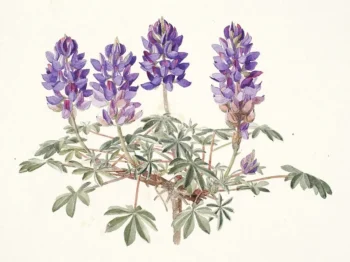
Kettle Falls Lupine: A Charming Northwestern Native Worth Growing
If you’re looking to add a touch of northwestern wilderness to your garden, meet the Kettle Falls lupine (Lupinus minimus). This delightful little perennial forb brings all the charm of its larger lupine cousins in a more compact package that’s perfect for smaller spaces and specialized garden settings.
What Makes Kettle Falls Lupine Special
Kettle Falls lupine is a true northwestern native, naturally occurring across Alberta, Idaho, Montana, Oregon, Washington, and Wyoming. As a perennial forb—essentially a non-woody flowering plant—it returns year after year, developing deeper roots and becoming more established with time.
This lupine goes by its scientific name Lupinus minimus, though you might occasionally see it listed under older synonyms like Lupinus ovinus or Lupinus piperi in some references. The minimus in its name gives you a hint about one of its most appealing characteristics—it’s wonderfully compact compared to other lupines.
- Species observed
- No observations
Why Consider Growing Kettle Falls Lupine
There are several compelling reasons to include this native beauty in your landscape:
- Pollinator magnet: Like other lupines, this species attracts bees, butterflies, and other beneficial pollinators to your garden
- Low maintenance: Once established, native plants typically require minimal care and watering
- Authentic regional character: Adds genuine northwestern flora to your landscape design
- Compact size: Perfect for smaller gardens, rock gardens, or as ground cover in naturalized areas
A Note About Conservation
Before you rush out to plant this lupine, there’s something important to know. Kettle Falls lupine has a conservation status of S3S4, meaning it’s uncommon in parts of its range. This isn’t cause for alarm, but it does mean you should be thoughtful about sourcing. Always purchase from reputable native plant nurseries that propagate their own stock rather than wild-collecting. This way, you’re supporting conservation efforts rather than potentially impacting wild populations.
Perfect Garden Settings
Kettle Falls lupine shines in several garden styles:
- Native plant gardens: Pairs beautifully with other northwestern natives
- Wildflower meadows: Adds structure and color to naturalized plantings
- Rock gardens: Its compact form works well among stones and boulders
- Xeriscaping: Drought tolerance makes it suitable for water-wise landscapes
Growing Conditions and Care
Based on its native range spanning from the northern Rockies to the Pacific Northwest, Kettle Falls lupine is likely hardy in USDA zones 3-7. It probably prefers:
- Well-drained soils (lupines generally dislike soggy conditions)
- Full sun to partial shade
- Moderate to low water once established
- Good air circulation
Planting and Establishment Tips
Getting lupines started can be a bit tricky, but here are some strategies that typically work well:
- Seed scarification: Lupine seeds have hard coats that benefit from light scarification or soaking before planting
- Direct seeding: Often more successful than transplanting, as lupines develop deep taproots
- Fall planting: Seeds benefit from natural winter stratification
- Patience: First-year plants focus on root development, so don’t expect much top growth initially
The Bottom Line
Kettle Falls lupine offers gardeners a chance to grow a charming, authentic northwestern native that supports local wildlife while requiring minimal care once established. While it may take some patience to get started and should be sourced responsibly due to its conservation status, the reward is a lovely, low-maintenance perennial that brings both beauty and ecological value to your landscape.
If you’re passionate about native gardening or looking to create habitat for pollinators, this little lupine deserves a spot on your wish list. Just remember to buy from reputable sources and enjoy watching this northwestern gem settle into your garden for years to come.