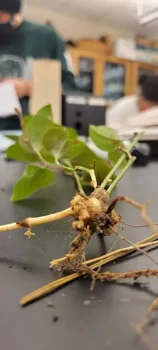
Kidneyleaf Greenbrier: A Rare Texas Native Worth Protecting
Meet the kidneyleaf greenbrier (Smilax renifolia), a fascinating native shrub that’s as elusive as it is intriguing. If you’re a Texas gardener with a passion for rare native plants, this perennial woody species might just capture your heart – though finding it might require some detective work!
What Makes Kidneyleaf Greenbrier Special?
This multi-stemmed shrub belongs to the greenbrier family and typically grows to heights of 13-16 feet, though it can vary depending on environmental conditions. As a perennial, it’s built to last, developing several stems that arise from or near the ground level, creating a distinctive shrubby appearance that sets it apart from its climbing greenbrier cousins.
A True Texas Native
Kidneyleaf greenbrier is a homegrown Texas treasure, native to the lower 48 states but with its primary distribution centered in the Lone Star State. This makes it a fantastic choice for gardeners committed to supporting local ecosystems with truly indigenous plants.
- Species observed
- No observations
The Rarity Factor: Handle with Care
Here’s where things get serious – kidneyleaf greenbrier carries a Global Conservation Status of S3, meaning it’s considered vulnerable. With typically only 21 to 100 occurrences and between 3,000 and 10,000 individuals existing, this plant is genuinely rare. If you’re considering adding it to your landscape, please ensure you source it responsibly from reputable native plant nurseries or propagation programs, never from wild populations.
Why Grow Kidneyleaf Greenbrier?
Despite the limited information available about this secretive species, there are compelling reasons to consider it:
- Supporting biodiversity by growing rare native species
- Contributing to conservation efforts in your own backyard
- Adding an unusual conversation piece to your native plant collection
- Supporting local ecosystems with a plant that’s perfectly adapted to Texas conditions
Growing Challenges and Considerations
The biggest challenge with kidneyleaf greenbrier isn’t necessarily growing it – it’s finding it! Due to its rare status, detailed cultivation information is limited, and plant availability is extremely restricted. This scarcity means that most gardeners won’t have the opportunity to grow this species unless they’re working directly with botanical institutions or specialized conservation programs.
The Responsible Approach
If you’re passionate about supporting rare Texas natives, consider these alternatives:
- Contact local botanical gardens or native plant societies about conservation efforts
- Support organizations working to protect rare plant habitats
- Choose more readily available native greenbriers like Smilax bona-nox (saw greenbrier) for similar ecological benefits
- Volunteer with plant conservation programs that might work with rare species like S. renifolia
The Bottom Line
Kidneyleaf greenbrier represents something special in the native plant world – a reminder that Texas harbors botanical treasures that need our protection. While most gardeners should focus on more common native alternatives, those working in conservation or research settings might have the opportunity to help preserve this vulnerable species for future generations.
Remember, the best way to appreciate rare plants like kidneyleaf greenbrier is often to support their conservation in the wild while choosing abundant native alternatives for our home landscapes. Every native plant in your garden makes a difference – even if it’s not the rarest one out there!