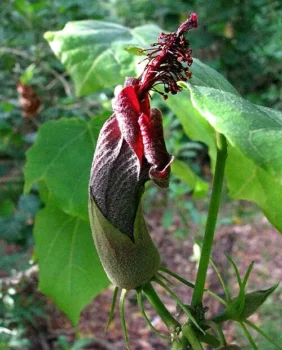
Kilauea Hau Kuahiwi: A Rare Hawaiian Tree Worth Protecting
Meet the Kilauea hau kuahiwi (Hibiscadelphus giffardianus), one of Hawaii’s most endangered native trees. This remarkable species tells a story of resilience and rarity that makes it both fascinating and heartbreaking for native plant enthusiasts.
What Makes This Tree Special
The Kilauea hau kuahiwi is a stunning perennial tree that can reach impressive heights of over 13-16 feet, though it can grow much taller under ideal conditions. With its distinctive heart-shaped leaves and beautiful hibiscus-like yellow flowers, this tree once graced the volcanic landscapes of Hawaii’s Big Island with its majestic presence.
As a member of the hibiscus family, this tree produces eye-catching blooms that historically attracted native Hawaiian birds and pollinators, playing a crucial role in the island’s ecosystem.
Where It Calls Home
This tree is endemic to Hawaii, meaning it exists nowhere else on Earth. Specifically, it’s native to the Big Island, where it once thrived in the volcanic soils around the Kilauea region.
- Species observed
- No observations
The Sobering Reality: An Endangered Species
Important Conservation Alert: The Kilauea hau kuahiwi is listed as Endangered in the United States. This means the species is at critical risk of extinction. If you’re considering adding this tree to your landscape, it’s essential to source plants only from reputable conservation organizations or botanical institutions that practice responsible propagation.
The rarity of this species makes every individual tree precious, and supporting conservation efforts is more important than personal cultivation.
Growing Conditions and Care
If you’re fortunate enough to obtain responsibly sourced Kilauea hau kuahiwi, here’s what this tropical beauty needs to thrive:
- Climate: USDA hardiness zones 10-11 (tropical conditions)
- Soil: Well-draining volcanic or similar soils
- Light: Partial shade to full sun
- Water: Consistent moisture, especially during establishment
- Protection: Shelter from strong winds
Garden Role and Landscape Use
In the right setting, the Kilauea hau kuahiwi serves as:
- A magnificent specimen tree for large native Hawaiian gardens
- An important component in conservation landscapes
- A canopy tree that provides habitat for native wildlife
- An educational focal point in botanical collections
Pollinator and Wildlife Benefits
The bright yellow flowers of the Kilauea hau kuahiwi historically attracted native Hawaiian birds and insects, making it an important species for supporting local ecosystems. By growing this tree (with responsibly sourced material), you’re contributing to the preservation of these important ecological relationships.
Should You Plant It?
The answer is nuanced. While we absolutely want to encourage the cultivation of this endangered species, it should only be done through proper conservation channels. Contact Hawaiian botanical gardens, native plant societies, or conservation organizations to learn about legitimate sources and conservation programs.
If you can’t access responsibly sourced Kilauea hau kuahiwi, consider supporting its conservation through donations or volunteering, and plant other native Hawaiian species that can provide similar ecological benefits.
The Bottom Line
The Kilauea hau kuahiwi represents both the beauty and fragility of Hawaii’s unique flora. While its endangered status makes cultivation challenging, supporting conservation efforts for this remarkable tree helps ensure that future generations might once again see it gracing Hawaiian landscapes. Every tree matters when a species hangs in the balance.