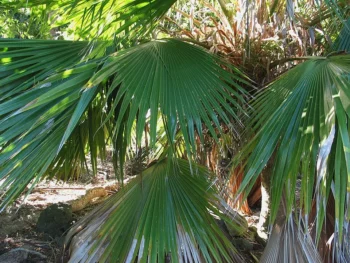
Kilauea Pritchardia: A Rare Hawaiian Palm Worth Protecting
If you’ve ever dreamed of growing a piece of Hawaii’s natural heritage in your garden, the Kilauea pritchardia (Pritchardia beccariana) might just capture your heart. This stunning native Hawaiian palm tells a story of volcanic landscapes and ancient ecosystems, but it comes with an important conservation message that every gardener should know.
What Makes This Palm Special?
The Kilauea pritchardia is a true Hawaiian native, found exclusively on the Big Island near the famous Kilauea volcano. This elegant fan palm develops beautiful, pleated leaves that create a distinctive tropical silhouette. As it matures, it forms a single trunk that can reach heights of 13-16 feet or more, making it an impressive specimen tree for the right garden setting.
What sets this palm apart isn’t just its beauty—it’s also known by the synonym Pritchardia beccariana Rock var. giffardiana, reflecting its complex botanical history and the ongoing efforts to understand Hawaii’s unique plant diversity.
A Critical Conservation Concern
Here’s where things get serious: the Kilauea pritchardia has a Global Conservation Status of S1, meaning it’s critically imperiled. With typically fewer than 1,000 individuals remaining in the wild, this palm is teetering on the edge of extinction. This rarity status means that if you’re considering adding one to your landscape, you absolutely must source it responsibly from reputable nurseries that propagate plants legally and sustainably—never from wild collection.
Where Does It Grow?
This palm is endemic to Hawaii, specifically thriving in the volcanic landscapes of the Big Island. Its natural habitat gives us clues about what it needs to flourish in cultivation.
- Species observed
- No observations
Growing Conditions and Care
If you’re lucky enough to live in USDA hardiness zones 10-11 and can source this palm responsibly, here’s what you need to know:
- Soil: Well-draining volcanic or sandy soils work best
- Light: Partial shade to full sun, though some protection during establishment helps
- Water: Consistent moisture without waterlogging—its facultative wetland status means it can handle both wet and dry conditions
- Protection: Shield from strong winds, which can damage the large fan leaves
Landscape Role and Design Ideas
When mature, the Kilauea pritchardia makes a stunning specimen tree that commands attention. Its architectural form works beautifully in:
- Tropical-themed gardens as a centerpiece
- Hawaiian native plant landscapes
- Conservation gardens focused on rare species
- Poolside plantings where its reflection can be enjoyed
The Bottom Line for Gardeners
Should you plant a Kilauea pritchardia? If you can source it responsibly and provide the right growing conditions, absolutely—you’ll be participating in conservation while enjoying a truly spectacular plant. However, given its critically imperiled status, many gardeners might consider supporting conservation efforts through donations to Hawaiian plant preservation programs instead.
For those who want to capture a similar aesthetic with less conservation concern, consider other Pritchardia species or native palms that are more readily available through sustainable propagation.
Remember, every rare plant in cultivation is a small victory for conservation. By choosing responsibly sourced specimens and providing excellent care, gardeners can play a crucial role in preserving Hawaii’s incredible botanical heritage for future generations.