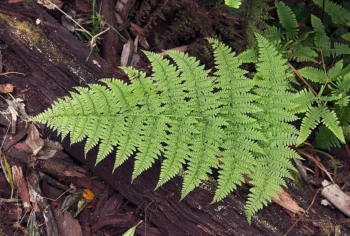
Kilaw (Dryopteris glabra): A Rare Hawaiian Native Fern Worth Knowing
Meet kilaw, a special Hawaiian native fern that’s quietly making its mark in the islands’ understory. While you might not find this beauty at your local garden center, Dryopteris glabra deserves recognition as one of Hawaii’s unique endemic species that plays an important role in the islands’ native ecosystems.
What Makes Kilaw Special?
Kilaw is a perennial fern native exclusively to the Hawaiian Islands. Its botanical name, Dryopteris glabra, gives us a clue about one of its defining features – glabra means smooth or hairless, referring to the fern’s characteristically smooth fronds that lack the fuzzy hairs found on many other fern species.
As a member of the wood fern family, kilaw displays the classic fernlike appearance we all recognize, but with its own Hawaiian twist. This isn’t your typical garden-variety fern – it’s a living piece of Hawaii’s natural heritage.
Where Does Kilaw Grow?
You’ll find kilaw growing naturally throughout the Hawaiian Islands, where it has evolved over thousands of years in the islands’ unique climate and soil conditions. It’s perfectly adapted to Hawaii’s tropical environment and plays a vital role in the native plant communities.
- Species observed
- No observations
A Word About Rarity
Here’s something important to know: kilaw has a conservation status of S3S4, which means it’s considered uncommon to fairly common but still deserves our attention and protection. While not critically endangered, this status reminds us that native Hawaiian plants face ongoing challenges from habitat loss and invasive species.
If you’re interested in growing kilaw, it’s crucial to source it responsibly from reputable native plant nurseries that propagate their plants rather than collecting from wild populations. Never collect plants from their natural habitats – this can harm already vulnerable populations.
Growing Kilaw in Your Garden
Thinking about adding this native beauty to your Hawaiian landscape? Here’s what you need to know:
Ideal Growing Conditions
- Light: Shade to partial shade – kilaw prefers the dappled light of forest understories
- Water: Consistent moisture is key, as this fern has facultative wetland status, meaning it can handle both wet and moderately dry conditions
- Climate: Tropical conditions only (USDA zones 10-12)
- Soil: Well-draining but moisture-retentive soil that mimics forest floor conditions
Perfect Garden Roles
Kilaw shines in several garden situations:
- Native Hawaiian plant gardens
- Shade gardens and woodland plantings
- Understory plantings beneath larger native trees
- Naturalistic tropical landscapes
- Rain gardens and areas with variable moisture
Supporting Hawaiian Ecosystems
While ferns don’t produce flowers to attract pollinators, they play other important roles in the ecosystem. Native ferns like kilaw provide habitat structure, help prevent soil erosion, and contribute to the complex web of relationships that make Hawaiian forests healthy and resilient.
By choosing native plants like kilaw for your Hawaiian landscape, you’re supporting biodiversity and helping preserve the islands’ unique natural character for future generations.
The Bottom Line
Kilaw represents something special – a plant that belongs nowhere else on Earth except Hawaii. While it may require a bit more effort to source and grow than common garden ferns, the reward is knowing you’re cultivating a true piece of Hawaiian natural heritage. Just remember to source responsibly and give this lovely fern the shady, moist conditions it craves.
Whether you’re creating a native Hawaiian garden or simply want to connect with the islands’ unique flora, kilaw offers a beautiful way to bring authentic Hawaiian nature into your landscape.