King of the Meadow: A Majestic Native Wildflower for Your Garden
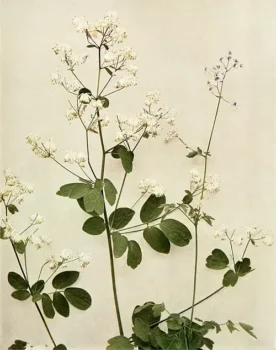
If you’re looking for a tall, graceful native plant that brings both elegance and ecological value to your garden, meet the king of the meadow (Thalictrum pubescens). This stately perennial wildflower truly lives up to its regal common name, creating stunning displays of feathery white blooms that seem to float above delicate, blue-green foliage.
A True Native Beauty
King of the meadow is a proud native of North America, naturally occurring across a vast range from southeastern Canada down to Georgia and west toward the Great Plains. You’ll find this adaptable perennial thriving in states from Maine to Alabama and from the Atlantic coast to the Midwest, including Connecticut, Delaware, Georgia, Illinois, Indiana, Kentucky, Maryland, Massachusetts, Michigan, New York, North Carolina, Ohio, Pennsylvania, Tennessee, Virginia, and many others.
- Species observed
- No observations
As a native species, this plant has co-evolved with local wildlife and growing conditions for thousands of years, making it naturally well-adapted to regional climates and an excellent choice for sustainable gardening practices.
What Makes King of the Meadow Special
This herbaceous perennial is classified as a forb – essentially a flowering plant without woody stems that dies back to the ground each winter and returns the following spring. King of the meadow typically reaches impressive heights of 4-8 feet tall with a spread of 2-4 feet, making it perfect for the back of borders or as a dramatic focal point.
The real showstopper is its blooming period in mid to late summer, when countless tiny white flowers cluster together in large, airy panicles that create an almost cloud-like effect. The compound leaves are equally attractive, featuring a distinctive blue-green color that provides beautiful contrast in the garden even when the plant isn’t in bloom.
Perfect Garden Roles
King of the meadow excels in several garden settings:
- Rain gardens: Its facultative wetland status means it thrives in moist conditions
- Naturalized meadows: Creates authentic native plant communities
- Cottage gardens: Adds height and romantic, billowy texture
- Woodland edges: Bridges the gap between forest and open spaces
- Native plant gardens: Provides seasonal interest and ecological benefits
Growing Conditions and Care
One of the best things about king of the meadow is how adaptable and low-maintenance it can be once established. Here’s what this native beauty prefers:
Sunlight: Partial shade to full sun, though it appreciates some afternoon shade in hotter climates
Soil: Moist to wet soils are ideal, but it’s quite tolerant of different soil types, including clay. The key is consistent moisture – this plant doesn’t appreciate drought conditions.
Hardiness: Thrives in USDA zones 3-8, making it suitable for most temperate regions
Water: Regular watering during dry spells, especially in the first year while establishing
Planting and Care Tips
Getting started with king of the meadow is refreshingly straightforward:
- Plant in spring or fall when temperatures are moderate
- Space plants 2-3 feet apart to allow for their mature spread
- Mulch around plants to retain moisture and suppress weeds
- Water regularly the first growing season to establish strong roots
- Cut back spent flower stems if you don’t want self-seeding
- Divide clumps every 3-4 years to maintain vigor
This perennial can spread gradually by underground rhizomes, so give it room to naturalize if desired, or divide regularly to keep it contained.
Wildlife and Pollinator Benefits
As a native plant, king of the meadow serves as an important food source for local wildlife. Its abundant small flowers attract a variety of pollinators, including native bees, beneficial flies, and butterflies. The plant’s extended blooming period provides nectar when many other flowers have faded, making it especially valuable for late-season pollinators.
Is King of the Meadow Right for Your Garden?
Consider adding king of the meadow to your landscape if you:
- Want a tall, dramatic native plant for the back of borders
- Have consistently moist or even wet areas in your garden
- Are creating a rain garden or naturalized area
- Value plants that support local pollinators and wildlife
- Prefer low-maintenance perennials once established
This might not be the best choice if you have very dry conditions, extremely small spaces, or prefer more compact plants for formal garden designs.
The Bottom Line
King of the meadow earns its royal title through its impressive stature, delicate beauty, and valuable ecological contributions. For gardeners looking to incorporate more native plants while adding height and late-season interest to their landscapes, this stately perennial delivers on all counts. Plus, there’s something deeply satisfying about growing a plant that’s been gracing North American meadows and wetlands for millennia – it’s gardening with a sense of place and history.