Kiponapona: A Rare Hawaiian Treasure for Your Native Garden
If you’re passionate about Hawaiian native plants and conservation gardening, you might have heard whispers about kiponapona (Phyllostegia racemosa). This enchanting little perennial herb holds a special place in Hawaii’s botanical heritage, though it comes with some important considerations for the conscientious gardener.
What Makes Kiponapona Special?
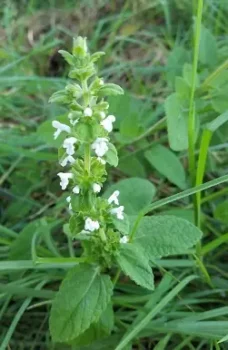
Kiponapona is a charming forb herb that belongs to Hawaii’s unique native flora. As a perennial plant, it returns year after year, developing soft, heart-shaped to oval leaves that often have a delightfully fuzzy texture. The real show-stopper comes when it blooms, producing delicate racemes of small, tubular flowers that range from white to pale purple – a subtle but captivating display that perfectly embodies the understated elegance of Hawaiian native plants.
Where Does Kiponapona Call Home?
This beautiful herb is endemic to the Hawaiian Islands, meaning it exists nowhere else on Earth. You’ll find it growing naturally only in Hawaii, where it has evolved to thrive in the islands’ unique climate and ecosystem conditions.
- Species observed
- No observations
A Critical Conservation Concern
Here’s where things get serious: Kiponapona is critically imperiled and listed as endangered. With a Global Conservation Status of S1, this means there are typically only five or fewer known occurrences, with very few remaining individuals in the wild. This isn’t just rare – it’s on the brink of extinction.
If you’re considering adding kiponapona to your garden, this rarity status comes with a big responsibility. You should only plant this species if you can source it from reputable conservation nurseries or propagation programs that work with legally and ethically obtained material.
Growing Kiponapona: What You Need to Know
Kiponapona thrives in Hawaii’s tropical climate, specifically in USDA hardiness zones 10-11. Here’s what this unique plant needs to flourish:
- Light: Partial to full shade – it’s naturally an understory plant
- Soil: Moist but well-draining soil that mimics its native forest floor habitat
- Protection: Shelter from strong winds and harsh direct sunlight
- Moisture: Consistent moisture without waterlogging
Perfect for Hawaiian Native Gardens
If you’re creating a native Hawaiian landscape or conservation garden, kiponapona can play a beautiful supporting role as an understory plant. Its soft foliage and delicate flowers complement other native Hawaiian species perfectly, and it’s particularly well-suited for shaded areas where you want to add subtle texture and seasonal interest.
Supporting Pollinators
While we don’t have extensive data on kiponapona’s specific pollinator relationships, its tubular flowers are designed to attract native Hawaiian insects. By growing this plant, you’re potentially providing resources for pollinators while helping preserve a piece of Hawaii’s natural heritage.
The Bottom Line
Should you grow kiponapona? If you’re a dedicated native plant gardener in Hawaii with access to responsibly sourced plants, absolutely – but with great care and respect for its endangered status. This isn’t a plant to grow casually; it’s a conservation commitment.
Consider kiponapona if you’re serious about native Hawaiian gardening and can provide the specific growing conditions it needs. However, remember that by choosing to grow this rare species, you’re becoming a steward of Hawaii’s botanical heritage. Make sure any plants you acquire come from legitimate conservation efforts, and consider supporting organizations working to preserve this and other endangered Hawaiian species.
Sometimes the most rewarding plants in our gardens are the ones that connect us to something larger than ourselves – and kiponapona certainly fits that description.