Klamath Arnica: A Hidden Gem for Shade Gardens
If you’re looking for a native perennial that brings sunshine to shady corners of your garden, meet Klamath arnica (Arnica spathulata). This charming wildflower might not be as famous as its mountain-dwelling cousins, but it deserves a spot in every Pacific Northwest native plant lover’s heart—and garden!
What Makes Klamath Arnica Special?
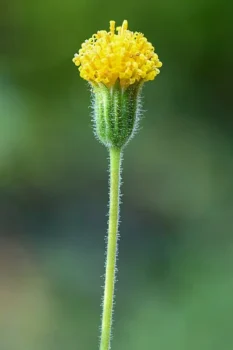
Klamath arnica is a true Pacific Northwest native, calling only California and Oregon home. This perennial beauty produces cheerful yellow daisy-like flowers that seem to glow in dappled woodland light. The heart-shaped leaves create an attractive backdrop even when the plant isn’t in bloom, making it a year-round asset to your landscape.
Where Does It Grow Naturally?
This regional treasure has a fairly limited natural range, growing wild in the mountainous regions of California and Oregon. You’ll typically find it thriving in forest understories and along woodland edges, where it has adapted to the cool, moist conditions that characterize these ecosystems.
- Species observed
- No observations
Why Plant Klamath Arnica in Your Garden?
There are several compelling reasons to consider adding this native beauty to your landscape:
- Native plant benefits: As a true regional native, it supports local ecosystems and requires less water and care once established
- Pollinator magnet: The bright yellow blooms attract native bees, butterflies, and other beneficial insects
- Shade tolerance: Perfect for those challenging shady spots where many flowering plants struggle
- Low maintenance: Once established, it’s relatively carefree compared to exotic alternatives
- Woodland charm: Brings authentic Pacific Northwest forest character to your garden
Perfect Garden Settings
Klamath arnica shines in several garden types:
- Woodland gardens: Naturalize it under trees for an authentic forest floor look
- Shade gardens: Use as a groundcover or accent plant in darker areas
- Native plant gardens: Essential for regional native plant collections
- Rain gardens: Can handle moisture fluctuations typical of these features
Growing Conditions and Care
Success with Klamath arnica comes from mimicking its natural woodland habitat:
- Light: Partial to full shade (morning sun okay, but avoid hot afternoon sun)
- Soil: Well-draining but consistently moist, rich organic matter preferred
- Water: Regular watering, especially during dry spells
- Climate: Hardy in USDA zones 5-8, loves cool conditions
Planting and Care Tips
Getting your Klamath arnica off to a good start is straightforward:
- Best planting time: Spring, after frost danger has passed
- Soil preparation: Amend with compost or leaf mold to boost organic content
- Spacing: Allow adequate room for the plant to spread naturally
- Mulching: Apply organic mulch to keep roots cool and retain moisture
- Watering: Keep soil consistently moist but not waterlogged
- Fertilizing: Generally unnecessary; too much fertility can reduce flowering
A Word About Responsible Sourcing
Given its limited natural range, it’s important to source Klamath arnica responsibly. Always purchase from reputable native plant nurseries that propagate their own stock rather than wild-collecting. This helps protect wild populations while still allowing gardeners to enjoy this special plant.
The Bottom Line
Klamath arnica may be a regional specialty, but that’s exactly what makes it so valuable for Pacific Northwest gardeners. It offers authentic native character, supports local wildlife, and brings reliable beauty to challenging shady spots. If you can provide the cool, moist conditions it craves, you’ll be rewarded with years of cheerful yellow blooms and the satisfaction of growing a true local treasure.
Ready to add some native sunshine to your shade garden? Klamath arnica might just be the perfect choice for bringing a touch of Pacific Northwest wilderness right to your backyard!