Klamath Manzanita: A Rare Gem for the Responsible Native Plant Gardener
If you’re a native plant enthusiast looking for something truly special for your California garden, the Klamath manzanita might just catch your eye. But before you start planning where to plant this beautiful shrub, there’s something important you need to know about this rare California native.
What Makes Klamath Manzanita Special?
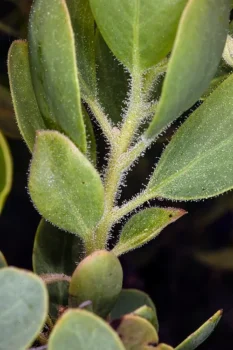
Klamath manzanita (Arctostaphylos klamathensis) is a perennial shrub that’s as unique as it is beautiful. This woody plant typically grows as a multi-stemmed shrub, usually staying under 13-16 feet tall, though it can sometimes surprise you by growing taller or developing a single stem depending on where it’s growing.
What really sets this manzanita apart is its stunning combination of features: delicate bell-shaped flowers that range from white to soft pink, evergreen foliage that stays attractive year-round, and that characteristic reddish bark that makes manzanitas so distinctive. It’s like having a piece of California’s wild beauty right in your backyard.
Where Does It Come From?
This native beauty calls California home, specifically the Klamath Mountains region in the northern part of the state. As a true California native, it’s perfectly adapted to the local climate and ecosystem.
- Species observed
- No observations
The Important Rarity Alert
Here’s where things get serious: Klamath manzanita has a Global Conservation Status of S2, which means it’s considered Imperiled. This isn’t just garden center jargon – it means this species is extremely rare, with typically only 6 to 20 known locations and somewhere between 1,000 to 3,000 individual plants remaining in the wild.
What does this mean for you as a gardener? If you’re interested in growing this rare beauty, you absolutely must source it responsibly. Only purchase from reputable native plant nurseries that can guarantee their plants are ethically propagated and not collected from wild populations. Every wild plant matters when there are so few left!
Why Grow Klamath Manzanita?
Despite its rarity – or perhaps because of it – there are compelling reasons to consider this plant if you can source it responsibly:
- It’s perfectly suited for drought-tolerant gardens and xeriscapes
- The flowers attract native bees and other important pollinators
- It’s ideal for native plant gardens and Mediterranean-style landscapes
- Once established, it requires minimal water and care
- You’ll be helping preserve a rare species by supporting ethical cultivation
Growing Conditions and Care
Klamath manzanita thrives in USDA hardiness zones 7-9, making it suitable for much of California’s diverse climate regions. Here’s what this rare beauty needs to flourish:
Soil: Well-draining, acidic soil is essential. Like most manzanitas, it can’t tolerate heavy, waterlogged conditions.
Sun exposure: Full sun to partial shade works well, though it tends to flower more prolifically with more sun.
Water: Once established, it’s quite drought tolerant. In fact, avoid summer irrigation as too much water can actually harm mature plants.
Planting and Care Tips
If you’re lucky enough to find responsibly sourced Klamath manzanita, here’s how to give it the best start:
- Plant in fall for best establishment before the dry season
- Improve drainage if your soil tends to hold water
- Mulch around the base to help retain moisture and suppress weeds
- Water regularly the first year, then gradually reduce as it establishes
- Avoid fertilizing – these plants prefer lean soils
- Prune minimally and only if necessary for shape
The Bottom Line
Klamath manzanita is a stunning native plant that can be a wonderful addition to the right garden, but its rarity means it comes with responsibility. If you choose to grow this imperiled species, make sure you’re part of the conservation solution by sourcing plants ethically and helping to preserve this beautiful piece of California’s natural heritage.
Remember, there are many other manzanita species that are less rare and might be better choices for most gardeners. But if you’re committed to conservation and can find responsibly sourced plants, Klamath manzanita offers the chance to grow something truly special while supporting the preservation of California’s rare flora.