Knieskern’s Beaksedge: A Rare Wetland Treasure Worth Protecting
If you’re passionate about native plants and wetland conservation, you might have heard whispers about Knieskern’s beaksedge (Rhynchospora knieskernii). This unassuming little sedge might not win any beauty contests, but it’s got something far more valuable going for it—extreme rarity and ecological importance that makes it a true conservation priority.
What Makes This Plant Special?
Knieskern’s beaksedge is a perennial sedge that belongs to the grass-like plant family. Don’t let its modest appearance fool you—this plant is incredibly rare and plays a crucial role in its specialized wetland habitat. As a member of the sedge family, it’s perfectly adapted to life in consistently wet conditions.
Where Does It Grow Naturally?
This native beauty has one of the most restricted ranges you’ll find among North American plants. Knieskern’s beaksedge calls home to just two states: Delaware and New Jersey. That’s it! This tiny distribution makes it particularly vulnerable and explains why it’s earned such serious conservation attention.
- Species observed
- No observations
Conservation Status: Handle With Care
Here’s where things get serious. Knieskern’s beaksedge carries some hefty conservation credentials that every gardener should know about:
- Global Conservation Status: S2 (Imperiled) – only 6 to 20 known populations
- New Jersey status: Endangered
- Federal status: Threatened
What does this mean for you as a gardener? If you’re considering adding this plant to your landscape, you absolutely must source it responsibly from reputable native plant nurseries that propagate rather than wild-collect their stock. Never, ever collect this plant from the wild—it’s not just ecologically irresponsible, it’s likely illegal.
Is This Plant Right for Your Garden?
Knieskern’s beaksedge isn’t your typical garden center find, and frankly, that’s probably for the best. This plant has very specific needs that make it suitable for only certain types of gardens:
Perfect Growing Conditions
As an obligate wetland plant, Knieskern’s beaksedge is extremely picky about moisture. Here’s what it needs to thrive:
- Consistently saturated or wet soils
- Acidic soil conditions
- Full to partial sun exposure
- USDA hardiness zones 6-8
Best Garden Settings
This specialized sedge works best in:
- Wetland restoration projects
- Rain gardens with permanent moisture
- Bog gardens
- Native plant conservation gardens
- Educational or demonstration landscapes
What About Aesthetic Appeal?
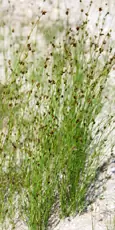
Let’s be honest—Knieskern’s beaksedge won’t be the showstopper in your garden. It’s a modest plant with narrow leaves and small, brownish flower clusters. Its beauty lies not in flashy blooms but in its ecological significance and the role it plays in supporting wetland ecosystems.
Wildlife and Pollinator Benefits
While this sedge is wind-pollinated rather than insect-pollinated, it still provides valuable habitat structure in wetland environments. It offers nesting material and shelter for various small wildlife species that depend on wetland ecosystems.
Should You Plant It?
The answer depends on your goals and garden situation. Consider Knieskern’s beaksedge if you:
- Have a legitimate wetland garden or restoration project
- Are passionate about rare plant conservation
- Can provide the specific wet conditions it requires
- Can source plants from responsible propagation programs
However, skip this plant if you’re looking for low-maintenance landscaping or don’t have the consistently wet conditions it absolutely requires.
Planting and Care Tips
If you decide to grow Knieskern’s beaksedge, here’s how to give it the best chance:
- Plant in spring when soil temperatures warm up
- Ensure soil stays consistently moist to wet year-round
- Minimal maintenance required once established
- Avoid fertilizers—it’s adapted to nutrient-poor conditions
- Allow it to naturalize in appropriate wetland settings
The Bottom Line
Knieskern’s beaksedge is a plant for the conservation-minded gardener who has the right wetland conditions and a commitment to protecting rare species. It’s not for everyone, but for those who can provide what it needs, growing this plant becomes an act of conservation that helps preserve one of our rarest native sedges for future generations.
Remember, with great rarity comes great responsibility. If you choose to grow this special plant, make sure you’re doing your part to protect rather than exploit this precious piece of our natural heritage.