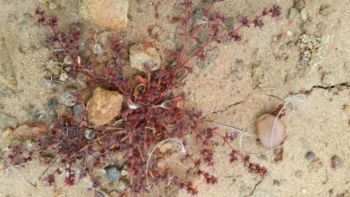
Knotweed Spineflower: A Delicate Native Annual for California Gardens
If you’re looking to add a touch of understated elegance to your California native garden, the knotweed spineflower might just be the perfect addition. This charming little annual, scientifically known as Chorizanthe polygonoides var. longispina, is one of those plants that proves sometimes the most beautiful things come in small packages.
What Makes Knotweed Spineflower Special?
The knotweed spineflower is a true California native, exclusively found in the Golden State’s diverse landscapes. As an annual forb, this herbaceous plant completes its entire life cycle in just one growing season, making it a fascinating addition to any native plant enthusiast’s collection.
Don’t let its delicate appearance fool you – this little survivor has adapted perfectly to California’s challenging climate conditions. It’s classified as a forb, which simply means it’s a soft-stemmed plant without woody tissue, quite different from shrubs or trees you might be more familiar with.
Where Does It Grow Naturally?
Knotweed spineflower calls California home, thriving in the state’s diverse ecosystems from desert margins to chaparral regions. You’ll typically find it growing wild in sandy washes, rocky slopes, and other well-drained areas throughout southern California.
- Species observed
- No observations
A Word of Caution: Rarity Matters
Before you rush out to add this beauty to your garden, there’s something important to know. Knotweed spineflower has a Global Conservation Status of S5T3, indicating it requires some conservation attention. If you decide to grow this plant, please ensure you source seeds or plants from reputable native plant nurseries that use responsibly collected material – never collect from wild populations.
Why Grow Knotweed Spineflower?
Here are some compelling reasons to consider this native annual:
- Support Local Ecosystems: As a California native, it naturally supports local wildlife and pollinators
- Low Maintenance: Once established, it thrives with minimal care
- Drought Tolerant: Perfect for water-wise gardening
- Pollinator Magnet: Attracts beneficial small native bees and other insects
- Naturalistic Beauty: Adds delicate texture to native plant gardens
Growing Conditions and Care
Knotweed spineflower is surprisingly easy to grow if you can mimic its natural habitat:
Sunlight: Provide full sun exposure – this plant loves bright, direct sunlight throughout the day.
Soil: Well-drained, sandy, or rocky soil is essential. Heavy clay or waterlogged conditions will quickly spell disaster for this desert-adapted plant.
Water: Once established, minimal watering is needed. In fact, too much water can harm or kill the plant.
Climate: Best suited for USDA hardiness zones 8-10, making it perfect for most of California’s climate regions.
Planting and Care Tips
Growing knotweed spineflower successfully is all about timing and location:
- Timing: Direct sow seeds in fall for spring germination, mimicking natural rainfall patterns
- Location: Choose a sunny spot with excellent drainage
- Soil Preparation: Add sand or small gravel to improve drainage if your soil is too heavy
- Watering: Water lightly after planting, then rely mostly on natural rainfall
- Maintenance: This plant actually thrives on benign neglect – the less you fuss, the better it does
Garden Design Ideas
Knotweed spineflower works beautifully in:
- Native California plant gardens
- Xerophytic (drought-tolerant) landscapes
- Rock gardens and naturalistic settings
- Wildlife and pollinator gardens
- Ground cover in open, sunny areas
The Bottom Line
Knotweed spineflower is a wonderful choice for gardeners who appreciate subtle beauty and want to support California’s native plant heritage. While its delicate flowers might not create the bold statement of showier plants, its ecological value and low-maintenance nature make it a worthy addition to any native garden. Just remember to source it responsibly and give it the well-drained, sunny conditions it craves. With minimal effort on your part, you’ll be rewarded with a plant that not only survives but actively contributes to your local ecosystem’s health.