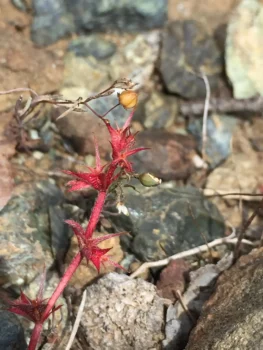
Knotweed Spineflower: A Delicate California Native for Drought-Tolerant Gardens
If you’re looking for a charming, low-maintenance addition to your California native garden, meet the knotweed spineflower (Chorizanthe polygonoides var. polygonoides). This petite annual herb might not win any showiness contests, but what it lacks in size, it makes up for in character and ecological value.
What is Knotweed Spineflower?
Don’t let the knotweed in the name fool you—this California native is nothing like the invasive knotweeds that plague other regions. The knotweed spineflower is a delicate annual forb, meaning it’s a non-woody plant that completes its entire life cycle in one growing season. As a member of the buckwheat family, it shares DNA with some of California’s most beloved native plants.
You might occasionally see this plant listed under its scientific synonym, Acanthogonum polygonoides, but Chorizanthe polygonoides var. polygonoides is the accepted name botanists use today.
Where Does It Grow Naturally?
This charming little plant calls California home, where it has adapted to the state’s Mediterranean climate and diverse landscapes. As a native species to the lower 48 states—specifically California—it’s perfectly suited to local growing conditions and supports regional ecosystems.
- Species observed
- No observations
Why Grow Knotweed Spineflower?
While knotweed spineflower won’t give you the bold blooms of a California poppy, it brings its own special qualities to the garden:
- Drought tolerance: Once established, this plant thrives with minimal water—perfect for water-wise landscaping
- Native pollinator support: The small, delicate flowers attract native bees and other beneficial insects
- Low maintenance: As an annual adapted to California’s climate, it requires little fuss once it gets going
- Authentic native habitat: Helps create genuine California plant communities in your garden
- Ground cover potential: Works well as a naturalized groundcover in appropriate settings
A Word About Conservation
Before planting, it’s worth noting that knotweed spineflower has a somewhat uncertain conservation status (listed as S5T3?). While this doesn’t mean it’s critically endangered, it does suggest we should be mindful about sourcing. If you decide to grow this plant, make sure to obtain seeds or plants from reputable native plant suppliers who collect responsibly.
Growing Conditions and Care
Knotweed spineflower is refreshingly easy to please, especially if you’re gardening in USDA hardiness zones 8-10. Here’s what this California native prefers:
- Sunlight: Full sun exposure
- Soil: Well-draining soil; tolerates poor, sandy, or rocky conditions
- Water: Low water needs once established; drought-tolerant
- Climate: Mediterranean climate conditions
Planting and Care Tips
Growing knotweed spineflower successfully is largely about mimicking its natural habitat:
- Timing: Direct sow seeds in fall to allow for natural winter stratification
- Soil prep: Ensure excellent drainage; amend heavy clay soils with sand or gravel
- Watering: Water lightly during establishment, then rely on natural rainfall
- Maintenance: Minimal care needed; let plants self-seed for naturalized areas
- Companion planting: Pairs well with other California natives like buckwheats and native grasses
Perfect Garden Settings
Knotweed spineflower shines in:
- Native California plant gardens
- Drought-tolerant landscapes and xeriscapes
- Naturalized wildflower meadows
- Rock gardens with Mediterranean plants
- Restoration projects focusing on California native habitats
The Bottom Line
While knotweed spineflower might not be the star of your garden show, it’s an excellent supporting player. This humble native offers authentic California character, supports local pollinators, and thrives with minimal care. For gardeners committed to creating true native habitats or anyone looking to reduce garden water use while supporting biodiversity, knotweed spineflower deserves a spot on your planting list.
Just remember to source your plants or seeds responsibly, and enjoy watching this delicate native find its place in your garden ecosystem. Sometimes the smallest plants make the biggest difference in creating authentic, sustainable landscapes.