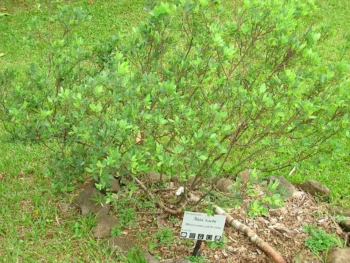
Kohala False Ohelo: A Rare Hawaiian Native Worth Protecting
If you’re passionate about Hawaiian native plants, you’ve probably heard of ohelo berries, but have you met their lesser-known cousin, the Kohala false ohelo? This charming little shrub, scientifically known as Wikstroemia pulcherrima, is one of Hawaii’s hidden botanical gems – and it desperately needs our help.
What Makes This Plant Special?
The Kohala false ohelo is a perennial shrub that’s endemic to Hawaii, meaning it exists nowhere else on Earth. This multi-stemmed woody plant typically stays under 13-16 feet tall, making it a perfect size for home gardens and restoration projects. Despite its common name suggesting a connection to ohelo berries, it’s actually part of the Thymelaeaceae family and has its own unique character.
Where You’ll Find It (Or Won’t)
This rare beauty is found exclusively in Hawaii, with its strongest populations historically on the Big Island. Unfortunately, Wikstroemia pulcherrima has a Global Conservation Status of S2S3, which puts it in the imperiled to vulnerable category. That’s conservation-speak for we really need to pay attention to this plant before it’s too late.
- Species observed
- No observations
Why Consider Growing Kohala False Ohelo?
Here’s where things get both exciting and serious. If you’re lucky enough to find responsibly sourced Kohala false ohelo, you’re not just adding a plant to your garden – you’re becoming a conservation hero. Here’s why this plant deserves a spot in the right garden:
- You’ll be supporting Hawaiian native plant conservation
- It’s perfectly adapted to local growing conditions
- The plant supports native Hawaiian ecosystems and wildlife
- It connects you to Hawaii’s unique botanical heritage
- It’s a conversation starter that can educate others about plant conservation
The Responsible Way to Grow It
Before we dive into care instructions, let’s address the elephant in the room: this plant’s rarity means you absolutely must source it responsibly. Never collect from wild populations, and only purchase from reputable native plant nurseries that grow their stock from ethically obtained seeds or cuttings.
Growing Conditions and Care
Kohala false ohelo evolved in Hawaii’s volcanic soils and variable rainfall patterns, so it’s surprisingly adaptable – if you understand its needs:
- Climate: Thrives in USDA zones 10-11 (tropical conditions)
- Soil: Well-draining soil is absolutely crucial – think volcanic, rocky, or sandy
- Water: Moderate watering once established; it’s adapted to periods of both wet and dry conditions
- Light: Prefers partial shade to full sun
- Wind protection: Shelter from strong trade winds helps prevent damage
Perfect Garden Settings
This native shrub shines in several garden styles:
- Native Hawaiian plant gardens
- Dry forest restoration projects
- Ethnobotanical gardens showcasing Hawaiian heritage
- Conservation gardens focused on rare species
- Mixed native shrub borders
Supporting Hawaiian Wildlife
While specific pollinator data for Kohala false ohelo is limited, Hawaiian native plants typically support native insects, birds, and other wildlife that have co-evolved with them over thousands of years. By growing this plant, you’re likely providing resources for Hawaii’s native ecosystem – even if we don’t know all the details yet.
The Bottom Line
Kohala false ohelo isn’t the easiest plant to find, nor is it the showiest shrub you could choose. But if you’re someone who values conservation, appreciates Hawaiian heritage, and wants to make a real difference in plant preservation, this rare beauty might be exactly what your garden needs. Just remember: with great rarity comes great responsibility. Source ethically, grow with care, and maybe even share seeds with other conservation-minded gardeners when your plant matures.
Sometimes the most rewarding plants aren’t the ones that make the biggest splash – they’re the ones that connect us to something bigger than ourselves.