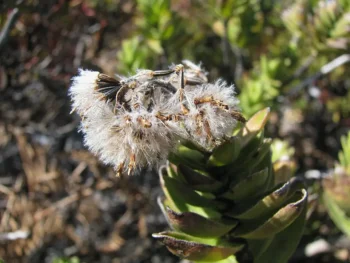
Koholapehu: A Rare Hawaiian Treasure Worth Protecting in Your Garden
If you’re passionate about native Hawaiian plants and conservation gardening, you’ve probably never heard of koholapehu (Dubautia latifolia) – and that’s exactly the problem. This critically endangered Hawaiian endemic is so rare that most gardeners don’t even know it exists, yet it represents one of the most important conservation opportunities for island gardeners.
What Makes Koholapehu Special?
Koholapehu, scientifically known as Dubautia latifolia, is a perennial plant that belongs to Hawaii’s unique native flora. With its broad, heart-shaped leaves and cheerful yellow daisy-like flowers, this climbing or twining plant adds a distinctive touch to any native Hawaiian garden. But don’t let its humble appearance fool you – this little plant is fighting for survival.
A Plant on the Brink
Here’s where things get serious: koholapehu has a Global Conservation Status of S1, meaning it’s critically imperiled. With typically five or fewer occurrences and very few remaining individuals (less than 1,000), this plant is officially listed as Endangered in the United States. When you’re talking about planting koholapehu, you’re not just gardening – you’re participating in conservation.
Where Does Koholapehu Call Home?
This rare beauty is endemic to the Hawaiian Islands, specifically native to Maui and Molokai. You won’t find koholapehu growing wild anywhere else in the world, making it a true Hawaiian treasure. In its natural habitat, it thrives in mesic to wet forest conditions.
- Species observed
- No observations
Should You Grow Koholapehu?
The short answer is: maybe, but only if you can source it responsibly. Because of its critically endangered status, you should never collect koholapehu from the wild – that could push local populations closer to extinction. Instead, only consider planting this species if you can obtain it from:
- Certified native plant nurseries
- Conservation programs
- Seed banks or botanical gardens with proper permits
- Approved restoration projects
Growing Koholapehu Successfully
If you’re fortunate enough to obtain responsibly sourced koholapehu, here’s how to give it the best chance of thriving:
Climate Requirements: Koholapehu needs USDA hardiness zones 10-12, so it’s really only suitable for tropical and subtropical climates like Hawaii’s.
Light and Location: This plant appreciates partial shade to full sun but needs protection from strong winds. Think of replicating those sheltered forest edges where it naturally occurs.
Soil and Water: Provide well-draining soil that stays consistently moist – not soggy, but never bone dry. The plant prefers the kind of steady moisture you’d find in Hawaii’s mesic forests.
Garden Role: As a twining or climbing plant with relatively long stems, koholapehu works beautifully as a natural screen or trained over a trellis. Its heart-shaped leaves create interesting texture, while the yellow flowers add seasonal color.
Supporting Pollinators and Wildlife
Like many native Hawaiian plants, koholapehu has co-evolved with local wildlife and provides important benefits to native insects and birds. By growing this plant, you’re supporting the broader ecosystem that depends on native flora.
The Bottom Line
Koholapehu represents both an opportunity and a responsibility. While most gardeners should focus on more readily available native Hawaiian plants, those with access to responsibly sourced koholapehu can play a vital role in conservation. Just remember – with great rarity comes great responsibility. Never collect from wild populations, and always verify that your source is legitimate and sustainable.
If you can’t find responsibly sourced koholapehu, consider supporting its conservation by planting other native Hawaiian Dubautia species or donating to organizations working to protect Hawaii’s endangered flora. Sometimes the best way to help a rare plant is to ensure its habitat remains intact for future generations.