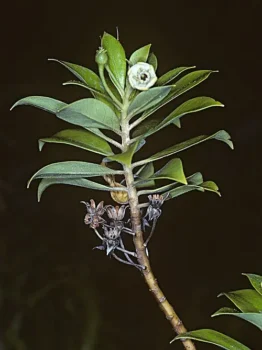
Kokee Yellow Loosestrife: A Rare Hawaiian Native Worth Protecting
If you’re passionate about Hawaiian native plants and conservation gardening, you’ve probably heard whispers about some pretty special endemic species. Meet Kokee yellow loosestrife (Lysimachia glutinosa), a charming native shrub that’s as rare as it is beautiful. This little-known member of the primrose family is one of Hawaii’s botanical treasures, though finding it might be trickier than spotting a Hawaiian monk seal!
What Makes This Plant Special?
Kokee yellow loosestrife is a perennial shrub that typically grows as a multi-stemmed woody plant, usually staying under 13-16 feet tall. Like many Hawaiian natives, it has quite the family tree of scientific names – you might also see it listed as Lysimachia fayi or Lysimachia olokeleensis in older botanical references.
What really sets this plant apart is its rarity. With a Global Conservation Status of S2?, this species is considered uncommon and potentially at risk. That question mark isn’t a typo – it indicates that scientists need more data to fully understand its conservation status.
Where Does It Call Home?
This endemic beauty is found only in Hawaii, making it a true island original. As its common name suggests, it’s particularly associated with the Kokee region, though its exact distribution across the Hawaiian islands requires more study.
- Species observed
- No observations
Should You Grow Kokee Yellow Loosestrife?
Here’s where things get interesting (and important). If you’re committed to Hawaiian native plant gardening and conservation, this plant could be a meaningful addition – but only if you source it responsibly. Given its rarity status, you should never collect this plant from the wild, and you’ll want to work with reputable native plant nurseries or conservation organizations.
This shrub is perfect for:
- Native Hawaiian restoration projects
- Conservation-focused gardens
- Mountain forest recreation landscapes
- Educational botanical collections
Growing Conditions and Care
Kokee yellow loosestrife has some pretty specific preferences that mirror its natural mountain forest habitat. It’s classified as Facultative Upland, meaning it usually thrives in non-wetland conditions but can tolerate some moisture.
For successful cultivation, you’ll want to recreate those cool, misty Hawaiian mountain conditions:
- USDA Hardiness Zones 10-11 (tropical conditions)
- Cool, humid environment similar to Hawaiian mountain forests
- Well-draining soil that doesn’t stay waterlogged
- Protection from harsh winds and extreme heat
- Partial shade to filtered sunlight
The Conservation Connection
Growing rare native plants like Kokee yellow loosestrife isn’t just about having something unique in your garden – it’s about being part of Hawaii’s conservation story. By cultivating this species responsibly, you’re helping maintain genetic diversity and potentially providing seeds or cuttings for future restoration efforts.
Just remember: always source your plants from legitimate nurseries or conservation programs, never from wild populations. And if you’re successful in growing this rare beauty, consider connecting with local conservation groups who might benefit from your cultivation efforts.
The Bottom Line
Kokee yellow loosestrife is definitely not your average garden center find, and that’s exactly what makes it special for dedicated native plant enthusiasts. While it requires specific conditions and responsible sourcing, growing this rare Hawaiian endemic can be incredibly rewarding for gardeners who want to make a real difference in plant conservation.
If you’re up for the challenge and committed to ethical plant sourcing, this little-known native could become a treasured part of your Hawaiian garden legacy!