Kokolau: A Rare Hawaiian Treasure Worth Protecting
Meet kokolau (Bidens amplectens), one of Hawaii’s most precious native plants that deserves a special place in our hearts—and possibly in our gardens, if we approach it responsibly. This delicate annual herb tells a story of island evolution and the urgent need for plant conservation.
What Makes Kokolau Special
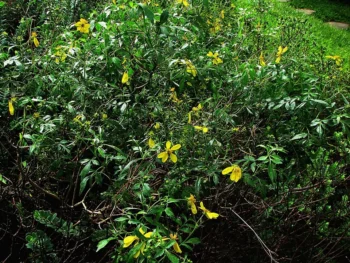
Kokolau is an enchanting low-growing shrub that rarely exceeds 1.5 feet in height, with most plants staying well under that mark. Despite being classified as an annual, it has a shrubby growth habit that creates a charming, delicate presence in the landscape. The plant produces small, cheerful yellow flowers that look like tiny daisies—a classic characteristic of the Bidens genus.
You might also encounter this plant listed under its synonyms Bidens gracilis or Bidens halawana in older botanical references, but Bidens amplectens is the accepted name today.
Where Kokolau Calls Home
This remarkable plant is endemic to Hawaii, meaning it exists nowhere else on Earth. Found exclusively across the Hawaiian Islands, kokolau represents the unique evolutionary heritage of these isolated Pacific islands.
- Species observed
- No observations
A Critical Conservation Concern
Here’s where we need to pause and pay attention: Kokolau is critically imperiled. With a Global Conservation Status of S1 and listed as Endangered in the United States, this plant is teetering on the edge of extinction. Typically, this status means there are only five or fewer known populations, with very few remaining individuals—often fewer than 1,000 plants total.
This rarity status means that while kokolau would make a wonderful addition to native Hawaiian gardens, it should only be planted using responsibly sourced material from authorized conservation programs or reputable native plant nurseries working with proper permits.
Growing Kokolau: A Conservation-Minded Approach
If you’re fortunate enough to obtain responsibly sourced kokolau, here’s what this special plant needs to thrive:
Ideal Growing Conditions
- Climate: USDA hardiness zones 10-12 (tropical to subtropical)
- Sunlight: Partial to full sun exposure
- Soil: Well-draining soils are essential
- Water: Moderate watering; avoid waterlogged conditions
Garden Role and Design Uses
Kokolau works beautifully as:
- Ground cover in native Hawaiian plant collections
- Accent plant in conservation gardens
- Educational specimen in botanical settings
- Natural erosion control on slopes
Supporting Pollinators and Wildlife
Like many native Hawaiian plants, kokolau likely supports native insects and other small wildlife, though specific wildlife benefits require more research. Its daisy-like flowers can attract pollinators, contributing to the broader ecosystem health of native Hawaiian plant communities.
The Bigger Picture: Why Kokolau Matters
Growing kokolau isn’t just about adding another plant to your garden—it’s about participating in conservation. Every responsibly grown kokolau plant represents hope for this species’ survival and helps maintain the genetic diversity that could be crucial for future conservation efforts.
If you’re passionate about Hawaiian native plants but can’t source kokolau responsibly, consider supporting conservation organizations working to protect this species or growing other native Hawaiian plants that are more readily available and less imperiled.
A Plant Worth Protecting
Kokolau reminds us that some plants are more than garden specimens—they’re living pieces of natural heritage that need our protection. Whether you grow it or simply appreciate it from afar, kokolau deserves our respect and conservation efforts. After all, once it’s gone, it’s gone forever.
If you’re interested in growing kokolau, reach out to Hawaiian native plant societies or conservation organizations who can guide you toward ethical sourcing and proper cultivation techniques. Together, we can help ensure this remarkable plant continues to grace the Hawaiian Islands for generations to come.