Koli’i: A Rare Hawaiian Treasure for Your Native Garden
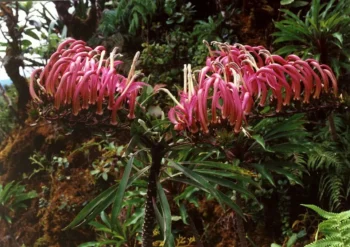
Meet koli’i (Trematolobelia macrostachys), one of Hawaii’s most spectacular yet vulnerable native plants. This remarkable perennial shrub belongs to an exclusive club of Hawaiian endemics that showcase the islands’ unique evolutionary story. If you’re passionate about native Hawaiian gardening and conservation, koli’i might just be the statement plant you’ve been searching for.
What Makes Koli’i Special?
Koli’i is a multi-stemmed woody shrub that typically reaches 13 to 16 feet in height, though it can grow taller under ideal conditions. What really sets this plant apart are its dramatic, architectural flower spikes that rise above the foliage like natural sculptures. The tubular flowers are perfectly adapted for Hawaii’s native forest birds, particularly the endangered Hawaiian honeycreepers that have co-evolved with this plant over thousands of years.
Where Does Koli’i Come From?
This Hawaiian endemic is naturally found on the islands of Maui and Molokai, where it grows in cool, moist montane forests. In the wild, you’ll find koli’i thriving in Hawaii’s unique cloud forest ecosystems, where it plays a vital role in supporting native wildlife.
- Species observed
- No observations
Important Conservation Alert
Before you fall head over heels for this stunning plant, there’s something crucial you need to know: koli’i has a Global Conservation Status of S3, meaning it’s considered vulnerable to extinction. With typically only 21 to 100 occurrences and between 3,000 and 10,000 individuals remaining in the wild, this is a plant that needs our help.
If you choose to grow koli’i, please only source it from reputable native plant nurseries or conservation programs. Never collect plants from the wild, as this could further threaten already vulnerable populations.
Is Koli’i Right for Your Garden?
Koli’i isn’t for everyone, but it could be perfect for you if:
- You’re creating a native Hawaiian landscape
- You live in USDA zones 10-11 with a tropical or subtropical climate
- You can provide consistent moisture and protection from strong winds
- You want to support Hawaiian conservation efforts
- You’re looking for a unique specimen plant with dramatic vertical interest
This plant works beautifully as a focal point in native gardens, tropical landscapes, and conservation-focused designs. Its architectural form and unique flowers make it a conversation starter that also serves an important ecological purpose.
Growing Conditions: Recreating Paradise
Think cool, misty Hawaiian forests, and you’ll understand what koli’i needs to thrive:
- Light: Partial shade to filtered light (avoid harsh direct sun)
- Soil: Well-draining but consistently moist soil
- Climate: Cool, humid conditions with protection from strong winds
- Water: Regular watering to maintain consistent moisture
- Location: Sheltered spots that mimic native forest conditions
Planting and Care Tips
Successfully growing koli’i requires patience and attention to detail:
- Plant in a location protected from strong winds and intense afternoon sun
- Ensure excellent drainage while maintaining consistent soil moisture
- Mulch around the base to help retain moisture and regulate soil temperature
- Be patient – this is a slow-growing plant that rewards careful tending
- Consider companion planting with other native Hawaiian species for a more authentic ecosystem
Supporting Hawaiian Wildlife
One of the most compelling reasons to grow koli’i is its role in supporting Hawaii’s endangered native birds. The tubular flowers are specifically adapted for Hawaiian honeycreepers, and by growing this plant, you’re helping provide crucial habitat for these threatened species.
Koli’i has a facultative wetland status, meaning it can adapt to both wetland and non-wetland conditions, making it relatively versatile for different garden situations within its preferred growing conditions.
The Bottom Line
Koli’i is a plant for dedicated native gardeners who understand both its beauty and its conservation importance. While it requires specific growing conditions and isn’t suitable for every garden, those who can provide the right environment will be rewarded with a truly unique plant that connects them directly to Hawaii’s natural heritage.
Remember: only source koli’i from responsible nurseries, never from the wild. By choosing to grow this vulnerable species, you become part of its conservation story – and that’s pretty special indeed.