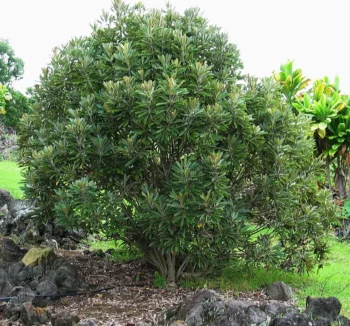
Kona Cheesewood: A Rare Hawaiian Native Worth Protecting in Your Garden
If you’re passionate about Hawaiian native plants and conservation gardening, meet Kona cheesewood (Pittosporum hosmeri) – a charming endemic tree that deserves a special place in your landscape and your heart. This lesser-known gem is more than just a pretty face; it’s a living piece of Hawaii’s natural heritage that needs our help to thrive.
What Makes Kona Cheesewood Special?
Kona cheesewood is a perennial tree that typically grows as a single-stemmed woody plant, reaching heights of 13-16 feet or more under ideal conditions. True to its name, this species is endemic to Hawaii’s Big Island, particularly the Kona region, making it a genuine piece of Hawaiian biodiversity you won’t find growing wild anywhere else on Earth.
The tree features glossy, leathery leaves and produces small, fragrant flowers that add subtle beauty to any landscape. While it may not be the showiest plant in your garden, its understated elegance and cultural significance more than make up for its modest appearance.
Where Does It Grow?
Kona cheesewood is found exclusively in Hawaii, where it has adapted to the unique volcanic soils and tropical climate of the islands. This endemic species represents the incredible biodiversity that makes Hawaiian flora so special and irreplaceable.
- Species observed
- No observations
A Word of Caution: This Plant Needs Our Protection
Here’s something important every gardener should know: Kona cheesewood has a Global Conservation Status of S2S3, meaning it’s considered rare and potentially vulnerable. This isn’t just another pretty plant – it’s a species that needs our conservation efforts to survive and thrive for future generations.
If you’re interested in growing Kona cheesewood, please only source it from reputable native plant nurseries that use responsibly collected seeds or ethically propagated material. Never collect from wild populations, as this could harm already fragile natural communities.
Growing Kona Cheesewood Successfully
Ready to give this rare beauty a home in your garden? Here’s what you need to know:
Ideal Growing Conditions
- Climate: USDA hardiness zones 10-11 (tropical conditions)
- Light: Partial shade to full sun
- Soil: Well-draining soils, adapted to volcanic conditions
- Water: Moderate water needs once established
Planting and Care Tips
- Choose a location with good drainage to prevent root rot
- Mulch around the base to retain moisture and suppress weeds
- Water regularly during establishment, then reduce frequency
- Minimal pruning required – let it grow naturally
- Protect young plants from strong winds
Perfect for Conservation Landscaping
Kona cheesewood shines brightest in native Hawaiian gardens and conservation landscapes. It’s an excellent choice for:
- Native plant restoration projects
- Educational gardens showcasing Hawaiian biodiversity
- Erosion control on slopes
- Creating habitat for native Hawaiian wildlife
- Specimen planting where space allows
Supporting Native Pollinators
While small, the flowers of Kona cheesewood play an important role in supporting Hawaii’s native insects and other pollinators. By planting this species, you’re contributing to a web of native relationships that have evolved over thousands of years.
Should You Plant Kona Cheesewood?
If you live in a suitable tropical climate and can source this plant responsibly, absolutely! Growing Kona cheesewood is more than gardening – it’s conservation in action. Every plant grown in cultivation helps preserve genetic diversity and reduces pressure on wild populations.
However, remember that this isn’t a plant for casual gardening. It requires specific growing conditions and, most importantly, must be sourced ethically. If you can’t find responsibly sourced Kona cheesewood, consider other native Hawaiian plants that might be more readily available from conservation nurseries.
By choosing to grow rare native plants like Kona cheesewood, you become part of a vital conservation effort, helping ensure that future generations can enjoy Hawaii’s incredible natural heritage. Now that’s what we call gardening with purpose!