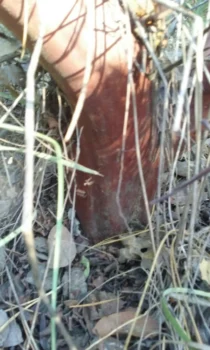
Konocti Manzanita: A Rare Gem for Your California Native Garden
Meet the Konocti manzanita (Arctostaphylos manzanita elegans), a stunning California native shrub that’s as beautiful as it is ecologically important. This evergreen beauty is a true treasure of the Golden State, offering gardeners a chance to grow something truly special while supporting local wildlife.
What Makes Konocti Manzanita Special?
The Konocti manzanita is a perennial shrub that typically grows 13-16 feet tall, though it can sometimes reach greater heights under ideal conditions. This multi-stemmed woody plant showcases the classic manzanita charm with its smooth, reddish bark that peels to reveal lighter colors beneath. The oval to rounded evergreen leaves create year-round interest, while clusters of small, bell-shaped flowers in shades of white to pink appear in late winter and early spring.
Where Does It Call Home?
This manzanita is exclusively native to California, making it a true Golden State original. You’ll find it naturally growing in the Clear Lake region and surrounding areas of Lake County, where it has adapted perfectly to the local climate and soil conditions.
- Species observed
- No observations
Important Conservation Note
Here’s something every responsible gardener should know: the Konocti manzanita has a conservation status that suggests it may be rare or of special concern. This makes it extra important to source your plants responsibly. Always purchase from reputable native plant nurseries that grow their plants from ethically collected seed or cuttings, rather than wild-collected specimens.
Why Your Garden (and Local Wildlife) Will Love It
The Konocti manzanita isn’t just a pretty face – it’s a pollinator magnet! Those charming early spring flowers provide crucial nectar for native bees, butterflies, and other pollinators when few other plants are blooming. The berries that follow feed birds and small mammals, making your garden a true wildlife haven.
From a design perspective, this shrub is incredibly versatile:
- Perfect as a specimen plant or grouped for dramatic effect
- Excellent for erosion control on slopes
- Ideal backdrop for smaller native plants
- Creates natural privacy screens
- Adds year-round structure to Mediterranean-style gardens
Growing Conditions That Make It Happy
Like most California natives, the Konocti manzanita is refreshingly low-maintenance once established. It thrives in USDA hardiness zones 8-10 and prefers:
- Full sun to partial shade (though it flowers best in full sun)
- Well-draining soil – this is absolutely critical!
- Acidic to neutral soil pH
- Minimal summer water once established
Planting and Care Tips for Success
Best planting time: Fall is ideal, giving the plant time to establish roots before the growing season.
Watering wisdom: Water regularly the first year to help establish roots, then cut back dramatically. Too much summer water can actually harm established plants – they’re built for California’s dry summers!
Pruning pointers: Light pruning after flowering helps maintain shape, but heavy pruning isn’t recommended as manzanitas can be slow to recover.
Soil preparation: If your soil doesn’t drain well, consider planting on a slope or mound, or adding coarse sand and organic matter to improve drainage.
Perfect Garden Companions
The Konocti manzanita plays beautifully with other California natives. Try pairing it with ceanothus, salvias, penstemon, or native grasses for a truly authentic California landscape that requires minimal water and maintenance.
The Bottom Line
The Konocti manzanita is a fantastic choice for gardeners who want to grow something unique, beautiful, and ecologically valuable. Its drought tolerance, wildlife benefits, and year-round beauty make it a winner in sustainable landscapes. Just remember to source your plant responsibly to help protect this special species for future generations. Your garden – and the local ecosystem – will thank you for choosing this remarkable California native!