Koolau Range Cheesewood: A Rare Hawaiian Native Worth Protecting
If you’re passionate about native Hawaiian plants and conservation gardening, the Koolau Range cheesewood (Pittosporum glabrum) might just be the perfect addition to your landscape. This charming endemic shrub represents the unique botanical heritage of Hawaii, though its vulnerable status means we need to approach growing it with extra care and responsibility.
What Makes This Plant Special?
The Koolau Range cheesewood is a true Hawaiian original – it evolved nowhere else on Earth except in the mesic to wet forests of the Hawaiian Islands. This perennial shrub typically grows as a multi-stemmed woody plant, usually staying under 13-16 feet tall, making it a manageable size for most garden spaces.
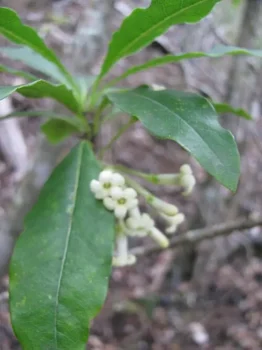
What really sets this plant apart is its lovely aesthetic appeal. The shrub produces small, fragrant flowers in shades of white to cream that attract native Hawaiian insects and other pollinators. Its glossy, dark green leaves create an attractive backdrop year-round, giving your garden that lush, tropical forest feel that Hawaii is famous for.
Where Does It Grow?
As its name suggests, this species is found exclusively in Hawaii, where it grows naturally in the state’s native forests. You won’t find this plant growing wild anywhere else in the world, which makes it both special and vulnerable.
- Species observed
- No observations
Important Conservation Considerations
Here’s something every potential grower needs to know: the Koolau Range cheesewood has a Global Conservation Status of S3, meaning it’s considered vulnerable. With typically only 21 to 100 occurrences or between 3,000 and 10,000 individuals remaining, this plant is at risk of disappearing from its native habitat.
If you choose to grow this plant, please only source it from reputable native plant nurseries that propagate it responsibly. Never collect plants or seeds from wild populations – this could further threaten the species’ survival.
Growing Koolau Range Cheesewood Successfully
This Hawaiian native has some specific preferences that reflect its natural forest habitat:
- Light conditions: Prefers partial shade to full shade – think forest understory
- Soil needs: Moist, well-draining soil with good organic content
- Climate requirements: USDA hardiness zones 10-11 only (tropical and subtropical areas)
- Moisture: Consistent moisture is key – it’s classified as facultative upland, usually growing in non-wetland areas but appreciating regular water
- Humidity: High humidity levels, similar to its native forest environment
Care Tips for Success
Once established, Koolau Range cheesewood is relatively low-maintenance, but getting it started requires attention to detail:
- Protect young plants from strong winds
- Maintain consistent soil moisture without waterlogging
- Minimal pruning needed – this shrub naturally maintains a nice form
- Mulch around the base to retain moisture and suppress weeds
- Consider companion planting with other native Hawaiian species
Perfect for Conservation-Minded Gardens
The Koolau Range cheesewood works beautifully in:
- Native Hawaiian restoration projects
- Shade gardens with a tropical feel
- Erosion control on slopes (thanks to its shrub form)
- Understory plantings beneath taller native trees
- Conservation landscapes focused on preserving Hawaiian biodiversity
Supporting Native Pollinators
By growing this native shrub, you’re not just adding beauty to your landscape – you’re also supporting native Hawaiian pollinators and other beneficial insects that have co-evolved with this plant over thousands of years. The fragrant flowers provide nectar and pollen for these important creatures.
The Bottom Line
Should you plant Koolau Range cheesewood? If you live in USDA zones 10-11 and can provide the right growing conditions, absolutely – but only with responsibly sourced plants. This vulnerable Hawaiian endemic deserves our protection and care. By growing it in appropriate gardens, we can help ensure that future generations will be able to enjoy this unique piece of Hawaiian natural heritage.
Remember, every plant we grow responsibly is a small act of conservation. The Koolau Range cheesewood might be rare, but with gardeners like you helping to cultivate it properly, it doesn’t have to stay that way.