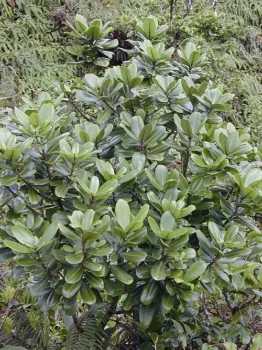
Kukaemoa: A Hidden Gem for Hawaiian Native Gardens
If you’re looking to create an authentic Hawaiian landscape that celebrates the islands’ unique botanical heritage, let me introduce you to kukaemoa (Melicope clusiifolia). This charming native shrub might not be as famous as hibiscus or plumeria, but it deserves a special place in any Hawaiian garden worth its salt.
What Makes Kukaemoa Special?
Kukaemoa, also known by the wonderfully musical name kolokolo mokihana, is a perennial shrub that’s as Hawaiian as it gets. This lovely plant is endemic to the Hawaiian Islands, meaning you won’t find it growing wild anywhere else on Earth. It’s a member of the citrus family, though don’t expect to make lemonade from it!
As a multi-stemmed woody shrub, kukaemoa typically stays under 13-16 feet tall, making it perfect for residential landscapes. Its glossy green leaves and clusters of small, cream-colored flowers create a subtle but elegant presence in the garden.
Where Does Kukaemoa Call Home?
This island beauty is found naturally across several Hawaiian islands, including Oahu, Maui, the Big Island, and Molokai. It’s perfectly adapted to Hawaii’s unique climate and growing conditions.
- Species observed
- No observations
Why You Should Consider Planting Kukaemoa
Here’s where things get interesting – and important. Kukaemoa has a conservation status of S3S4, which means it’s somewhat rare and needs our help to thrive. By choosing to plant this native species, you’re not just creating a beautiful garden; you’re participating in conservation efforts to preserve Hawaii’s unique plant heritage.
Important note: Because of its rarity status, make sure you source kukaemoa from reputable native plant nurseries that propagate their plants responsibly. Never collect from wild populations!
Garden Benefits That Make Sense
- Authentic Hawaiian character: Creates genuine island ambiance in your landscape
- Low maintenance: Once established, it’s quite drought tolerant
- Pollinator support: The flowers attract beneficial insects
- Versatile placement: Works well as a foundation plant, specimen shrub, or mixed into native plantings
- Conservation value: Helps preserve Hawaii’s botanical heritage
Perfect Growing Conditions
Kukaemoa is surprisingly adaptable, which explains why it can handle both wetland and non-wetland conditions (it has a Facultative wetland status). Here’s what this friendly shrub prefers:
- Climate: USDA zones 10-12 (perfect for Hawaii’s tropical climate)
- Sun exposure: Partial shade to full sun
- Soil: Well-draining soils, especially volcanic soils native to the islands
- Water: Regular watering during establishment, then quite drought tolerant
Planting and Care Made Simple
Growing kukaemoa successfully is easier than pronouncing its name! Here are the basics:
- Plant in well-draining soil (this is crucial – soggy roots make for unhappy plants)
- Water regularly for the first few months until the root system establishes
- Once established, reduce watering frequency – this plant appreciates a more natural rainfall pattern
- Minimal pruning needed; just remove any dead or damaged branches
- Mulch around the base to retain moisture and suppress weeds
The Perfect Garden Match
Kukaemoa shines in:
- Native Hawaiian plant gardens
- Drought-tolerant landscapes
- Coastal gardens (it handles salt spray reasonably well)
- Mixed native plantings alongside other Hawaiian species
- Foundation plantings around island-style homes
A Plant Worth Preserving
By choosing kukaemoa for your garden, you’re making a statement about the value of native plants and biodiversity conservation. This isn’t just about having a pretty shrub – it’s about maintaining the ecological integrity and cultural heritage of the Hawaiian Islands.
Remember, the key to success with any rare native plant is responsible sourcing and proper care. Seek out native plant nurseries, join local native plant societies, and connect with other gardeners who share your passion for preserving Hawaii’s unique botanical treasures.
Kukaemoa may be a quiet presence in the garden, but its contribution to Hawaii’s natural heritage speaks volumes. Give this charming native a try – your garden (and the islands’ ecosystem) will thank you for it!