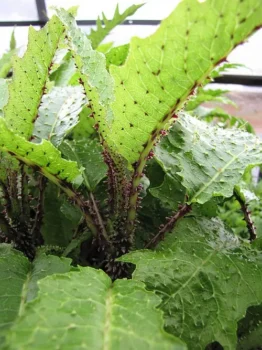
Kunth’s Cyanea: A Rare Hawaiian Treasure That Needs Our Protection
Meet Kunth’s cyanea (Cyanea kunthiana), one of Hawaii’s most precious and endangered native plants. This remarkable shrub represents both the incredible biodiversity of the Hawaiian Islands and the urgent conservation challenges facing native flora today. If you’re considering adding this beauty to your garden, there are some crucial things you need to know first.
What Makes Kunth’s Cyanea Special?
Kunth’s cyanea is a perennial shrub that’s endemic to Hawaii, meaning it exists nowhere else on Earth. Also known by its botanical synonym Cyanea bishopii Rock, this multi-stemmed woody plant typically grows to less than 13-16 feet in height, though it can sometimes reach greater heights or develop a single stem depending on environmental conditions.
As a true Hawaiian native, this plant has evolved specifically for island conditions and plays an important role in native ecosystems. Its facultative wetland status means it’s adaptable enough to thrive in both wetland and non-wetland environments throughout Hawaii.
Geographic Distribution
Cyanea kunthiana is found exclusively in Hawaii, where it grows in the island’s unique native habitats. This limited distribution is part of what makes the species so vulnerable.
- Species observed
- No observations
Why This Plant Requires Special Consideration
Here’s where things get serious: Kunth’s cyanea is currently listed as Endangered in the United States and has a Global Conservation Status of S2, meaning it’s imperiled due to extreme rarity. With typically only 6-20 known occurrences and an estimated 1,000-3,000 remaining individuals, every single plant matters.
This conservation status means that while we absolutely want to celebrate and preserve this species, growing it comes with significant responsibilities:
- Only use plants from verified, responsibly sourced material
- Never collect from wild populations
- Work with reputable native plant societies or botanical gardens
- Consider participating in legitimate conservation efforts
Growing Conditions and Care
If you’re committed to growing Kunth’s cyanea responsibly, you’ll need to replicate its native Hawaiian environment:
- Climate zones: USDA zones 10-12 (essentially Hawaiian climate conditions)
- Habitat: Native Hawaiian forest conditions with appropriate humidity and rainfall
- Soil: Well-draining soil that mimics native Hawaiian forest substrates
- Water: Consistent moisture without waterlogging, reflecting its facultative wetland status
Garden Role and Landscape Design
Due to its endangered status, Kunth’s cyanea is best suited for:
- Specialized native Hawaiian gardens
- Conservation-focused landscapes
- Educational botanical displays
- Restoration projects (with proper permits and oversight)
This isn’t a plant for casual gardening—it’s a species that deserves respect and careful stewardship.
Supporting Hawaiian Native Plants Responsibly
If you’re passionate about Hawaiian native plants but want more accessible options, consider these alternatives that can help support local ecosystems without the conservation concerns:
- Other less endangered native Hawaiian species
- Plants propagated through established conservation programs
- Supporting habitat restoration projects financially
The Bottom Line
Kunth’s cyanea is a botanical treasure that represents millions of years of Hawaiian evolution. While it’s a stunning addition to appropriate gardens, growing it requires a deep commitment to conservation ethics and proper sourcing. If you’re considering this plant, please connect with Hawaiian botanical institutions, native plant societies, or conservation organizations to ensure you’re contributing to preservation rather than exploitation.
Remember: sometimes the most loving thing we can do for a rare plant is to admire it in its natural habitat and support conservation efforts from afar. Every Kunth’s cyanea matters, and every gardener who chooses responsibility over impulse helps ensure this species has a future.