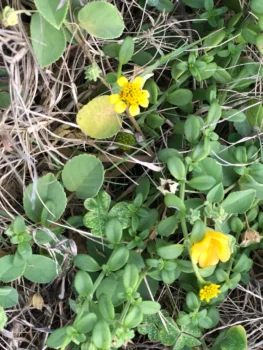
Kure Atoll Nehe: A Rare Hawaiian Treasure Worth Protecting
Meet the Kure Atoll nehe, a plant so special and rare that most gardeners will never encounter it in their lifetime. This Hawaiian endemic perennial herb carries the scientific name Lipochaeta integrifolia and represents one of nature’s most precious botanical treasures from the most remote corners of the Hawaiian archipelago.
What Makes This Plant So Special?
The Kure Atoll nehe belongs to a fascinating group of Hawaiian plants that have evolved in isolation over millions of years. As a perennial forb (that’s just a fancy way of saying it’s a non-woody plant that comes back year after year), this little herb has adapted to some of the most challenging growing conditions on Earth.
What’s particularly remarkable is that this plant is classified as having a Global Conservation Status of S3, meaning it’s considered vulnerable to extinction. With typically only 21 to 100 occurrences or between 3,000 and 10,000 individuals existing worldwide, this makes it rarer than many animals we consider endangered.
Where Does It Call Home?
This remarkable plant is native exclusively to Hawaii, with its common name suggesting a strong association with Kure Atoll, one of the most remote locations in the Hawaiian island chain. The plant’s entire natural range is confined to the Hawaiian Islands, making it a true endemic species.
- Species observed
- No observations
Should You Grow Kure Atoll Nehe?
Here’s where things get a bit complicated, and honestly, pretty important from a conservation standpoint. Due to its vulnerable status and extreme rarity, this isn’t a plant that most home gardeners should attempt to grow. If you’re absolutely committed to growing this species, it should only be done with:
- Plants sourced from legitimate conservation programs
- Proper permits and documentation
- A commitment to conservation rather than just garden aesthetics
- Understanding that you’re participating in species preservation
Growing Conditions and Care
Given its Hawaiian origins, the Kure Atoll nehe would likely thrive in USDA hardiness zones 10-12, requiring warm, tropical or subtropical conditions year-round. However, specific growing requirements remain largely undocumented due to its rarity and limited cultivation history.
As a native Hawaiian plant, it would presumably prefer:
- Well-draining soils
- Protection from harsh winds
- Consistent moisture without waterlogging
- Bright light conditions
Better Alternatives for Your Garden
Instead of attempting to grow this rare treasure, consider supporting Hawaiian native plant conservation by choosing more readily available Hawaiian natives for your garden. Many nurseries specializing in native Hawaiian plants offer beautiful alternatives that won’t put additional pressure on vulnerable wild populations.
The Bottom Line
The Kure Atoll nehe represents something truly special in the plant world – a living piece of Hawaiian natural history that deserves our respect and protection rather than our cultivation attempts. If you’re passionate about Hawaiian plants, consider supporting conservation organizations working to protect species like this one in their natural habitats.
Sometimes the most beautiful thing we can do for a rare plant is to admire it from afar and ensure future generations have the chance to discover its wonders in the wild where it belongs.