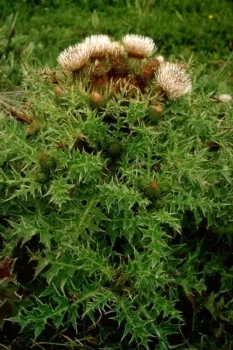
La Graciosa Thistle: A Rare California Native Worth Protecting
Meet the La Graciosa thistle (Cirsium loncholepis), one of California’s most endangered native plants. This remarkable species represents both the beauty and fragility of our native ecosystems, making it a fascinating subject for anyone interested in plant conservation.
What Makes La Graciosa Thistle Special?
La Graciosa thistle is a forb—essentially a non-woody flowering plant—that can live as an annual, biennial, or perennial depending on conditions. Like other members of the thistle family, it produces characteristic spiny foliage and beautiful purple-pink flower heads that are magnets for pollinators.
What truly sets this plant apart, however, is its incredible rarity. With a Global Conservation Status of S1 (Critically Imperiled), this species is hanging on by a thread with typically fewer than 5 occurrences and less than 1,000 remaining individuals. In the United States, it’s officially listed as Endangered.
Where Does It Call Home?
This thistle is a true California endemic, found exclusively within the Golden State. More specifically, it’s native to the Channel Islands, where it has adapted to the unique Mediterranean climate and island conditions.
- Species observed
- No observations
Should You Plant La Graciosa Thistle?
The short answer: Only if you’re working with authorized conservation programs.
Given its critically imperiled status, this isn’t a plant for typical home gardens. However, if you’re involved in conservation efforts or botanical research, growing this species can contribute to vital preservation work. Any planting should only be done with responsibly sourced material from authorized conservation programs—never collected from wild populations.
Conservation Garden Potential
For those working in conservation settings, La Graciosa thistle offers:
- Educational value about endangered species conservation
- Pollinator benefits typical of native thistles
- Connection to California’s unique Channel Islands ecosystem
- Opportunity to participate in species recovery efforts
Growing Conditions and Care
While specific growing requirements for La Graciosa thistle aren’t well-documented due to its rarity, we can infer from its native habitat that it likely prefers:
- Mediterranean climate conditions (USDA zones 9-10)
- Well-draining soils typical of coastal California
- Moderate water requirements
- Full sun to partial shade
Any cultivation attempts should be coordinated with botanical experts and conservation organizations to ensure proper growing techniques and to contribute meaningfully to recovery efforts.
Alternative Native Thistles for Home Gardens
If you’re drawn to native thistles but want something more appropriate for home landscapes, consider these California natives:
- California thistle (Cirsium californicum)
- Cobwebby thistle (Cirsium occidentale)
- Indian thistle (Cirsium brevistylum)
These species offer similar pollinator benefits and aesthetic appeal without the conservation concerns.
The Bottom Line
La Graciosa thistle serves as a powerful reminder of what we stand to lose when native habitats disappear. While it’s not suitable for typical garden use, supporting conservation efforts that protect this remarkable species is something every gardener can appreciate. Sometimes the best way to grow a plant is to protect the places where it naturally thrives.
If you encounter this plant in the wild or have opportunities to support Channel Islands conservation efforts, you’re witnessing—and potentially helping—one of nature’s most precious survivors.