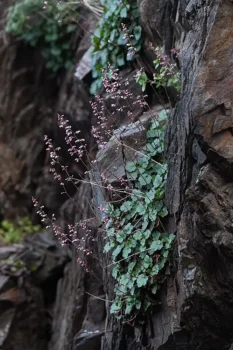
Laguna Mountain Alumroot: A Rare California Native Worth Protecting
Meet one of California’s most exclusive native plants – the Laguna Mountain alumroot (Heuchera brevistaminea). This little perennial is so rare and special that it’s like finding a botanical unicorn in your local nursery. But before you get too excited about adding this beauty to your garden, there’s something important you need to know about its conservation status.
What Makes This Plant So Special?
The Laguna Mountain alumroot is a charming perennial forb that forms neat little rosettes of rounded, lobed leaves close to the ground. During its flowering season, it sends up delicate stems topped with clusters of small white to pinkish flowers that dance in the breeze. It’s the kind of plant that makes you lean in closer to appreciate its understated elegance.
As a true California native, this alumroot is perfectly adapted to the Golden State’s unique climate and growing conditions. It’s a perennial, meaning it’ll come back year after year once established – assuming you can provide the right growing conditions.
Where Does It Call Home?
Here’s where things get really interesting (and a bit concerning). The Laguna Mountain alumroot is found exclusively in California, specifically in the Laguna Mountains of San Diego County. This plant is basically a California endemic with a very small address book – it only grows in high-elevation areas between 5,000 and 6,000 feet.
- Species observed
- No observations
The Conservation Reality Check
Now for the important part: this plant has a Global Conservation Status of S2, which means it’s considered Imperiled. In plain English, that means there are typically only 6 to 20 known occurrences of this plant in the wild, with somewhere between 1,000 to 3,000 individual plants total. That’s not many when you think about it!
What this means for gardeners: If you’re thinking about growing Laguna Mountain alumroot, you absolutely can – but please, please make sure you source it responsibly. Never collect plants from the wild, and only purchase from reputable native plant nurseries that can verify their plants were propagated, not wild-collected.
Why Grow This Rare Beauty?
Despite its rarity (or perhaps because of it), there are some compelling reasons to consider this plant:
- You’ll be helping preserve a rare California native species through cultivation
- It’s perfectly adapted to California’s climate once established
- The delicate flowers attract native bees and other small pollinators
- It’s an excellent conversation starter for fellow plant enthusiasts
- It adds authentic California character to native plant gardens
Where It Fits in Your Garden
The Laguna Mountain alumroot isn’t your typical border plant – it’s more of a specialty gem for specific garden situations. It works beautifully in:
- Rock gardens where it can nestle between stones
- Native California plant collections
- Specialty rare plant gardens
- Cool, partially shaded areas with excellent drainage
Growing Conditions: Getting It Right
This mountain native has some specific needs that you’ll want to nail if you want success:
Climate: Hardy in USDA zones 8-10, but remember it naturally grows at high elevations where it’s cooler
Light: Partial shade is key – think dappled sunlight or morning sun with afternoon shade
Soil: Well-draining, rocky soil is essential. If your soil holds water, this plant will not be happy
Water: Consistent moisture during the growing season, but never soggy conditions
Planting and Care Tips
If you’ve managed to source this rare plant responsibly, here’s how to give it the best shot at thriving:
- Plant in spring or fall when temperatures are moderate
- Amend heavy soils with plenty of coarse sand and gravel for drainage
- Choose a spot protected from hot afternoon sun
- Water regularly but ensure excess water can drain away quickly
- Mulch lightly with gravel or small stones rather than organic mulch
- Be patient – rare plants often take time to establish
The Pollinator Connection
While small, the flowers of Laguna Mountain alumroot do their part for local ecosystems by attracting native bees and other tiny pollinators. It’s not going to be a pollinator powerhouse like some showier natives, but every little bit helps in supporting our native insect communities.
The Bottom Line
The Laguna Mountain alumroot is a plant that comes with responsibility. If you choose to grow it, you’re becoming a conservation partner in preserving a rare piece of California’s natural heritage. Source it responsibly, give it the growing conditions it needs, and enjoy being one of the few gardeners lucky enough to grow this botanical treasure.
Just remember – with great plants comes great responsibility, especially when they’re as rare as this little mountain gem!