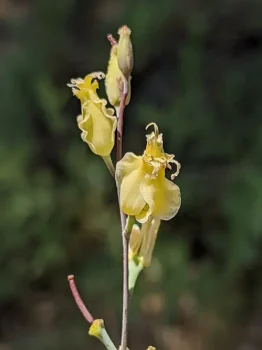
Laguna Mountain Jewelflower: A Rare Gem for California Native Gardens
If you’re looking for a truly special addition to your Southern California native garden, the Laguna Mountain jewelflower might just be your perfect match. This delicate perennial herb, known scientifically as Streptanthus bernardinus, is one of those plants that makes you feel like you’re harboring a little piece of botanical treasure in your backyard.
What Makes This Plant Special?
The Laguna Mountain jewelflower is a charming forb (that’s garden-speak for a non-woody flowering plant) that produces clusters of small, cream to pale yellow flowers. Don’t expect anything flashy – this beauty is all about subtle elegance. The flowers bloom in spring to early summer, creating delicate sprays that dance in the breeze and attract native pollinators like bees and other beneficial insects.
As a perennial, this plant will return year after year, though it maintains a fairly low profile in the garden. It’s the kind of plant that rewards the observant gardener who appreciates understated natural beauty over showy displays.
Where Does It Come From?
This jewelflower is a true California native, specifically calling the Peninsular Ranges of Southern California home. You’ll find its wild cousins growing in the Laguna Mountains and surrounding areas – hence the common name. It’s what botanists call an endemic species, meaning it grows naturally nowhere else in the world.
- Species observed
- No observations
Important Conservation Note
Here’s where things get serious for a moment. The Laguna Mountain jewelflower has a Global Conservation Status of S3, which means it’s considered vulnerable. With only an estimated 3,000 to 10,000 individuals remaining in the wild, this plant is genuinely rare. If you’re interested in growing it, please – and we can’t stress this enough – only obtain plants or seeds from reputable native plant nurseries that source their material responsibly. Never collect from wild populations.
Is This Plant Right for Your Garden?
The Laguna Mountain jewelflower thrives in USDA hardiness zones 8-10, making it perfect for Southern California gardens. It’s ideally suited for:
- Native California plant gardens
- Drought-tolerant landscapes
- Rock gardens with excellent drainage
- Naturalistic mountain or alpine-style gardens
- Conservation gardens focused on rare species
This isn’t a plant for formal flower beds or high-maintenance gardens. It’s for gardeners who appreciate the subtle beauty of California’s native flora and want to contribute to conservation efforts.
Growing Conditions and Care
Like many California natives, the Laguna Mountain jewelflower has some specific preferences:
- Drainage is everything: This plant absolutely must have well-draining soil. Think rocky, sandy, or gravelly conditions – anything that prevents water from sitting around the roots.
- Sun exposure: Full sun to partial shade works well, though it tends to prefer bright conditions.
- Water needs: Once established, this plant is quite drought-tolerant and actually prefers dry conditions. Overwatering is probably the quickest way to lose it.
- Soil type: Rocky or sandy soils are ideal – it’s not picky about nutrients but is very picky about drainage.
Planting and Care Tips
Growing Laguna Mountain jewelflower successfully is all about mimicking its natural mountain habitat:
- Plant in fall or early spring when temperatures are mild
- Amend heavy clay soils with coarse sand, gravel, or decomposed granite to improve drainage
- Water sparingly – deeply but infrequently once established
- Avoid fertilizers, which can actually harm many California natives
- Allow the plant to go dormant naturally during hot, dry periods
- Consider starting from seed, as this species often grows better when not transplanted
Wildlife and Pollinator Benefits
While the flowers may seem modest, they’re perfectly designed for native pollinators. Small native bees and other beneficial insects visit the blooms, making this plant a valuable addition to pollinator-friendly gardens. Every rare native plant you grow helps support the intricate web of relationships between plants and wildlife that make California’s ecosystems so special.
The Bottom Line
The Laguna Mountain jewelflower isn’t for every gardener or every garden. It’s for those who want to grow something truly special – a plant that connects them to California’s unique natural heritage. If you have the right growing conditions and can source it responsibly, adding this rare beauty to your garden is like becoming a conservation partner. Just remember: with great botanical privilege comes great responsibility!
Whether you’re an experienced native plant gardener or someone looking to make a meaningful contribution to conservation, the Laguna Mountain jewelflower offers the opportunity to nurture a piece of California’s irreplaceable natural legacy right in your own backyard.