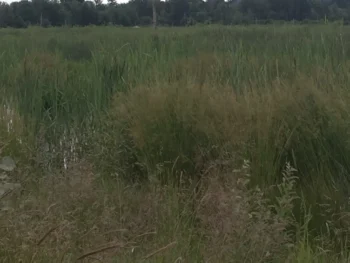
Lamp Rush: A Versatile Native Wetland Plant for Your Garden
If you’re looking for a hardy, low-maintenance plant that thrives in wet conditions, lamp rush (Juncus effusus var. solutus) might just be the perfect addition to your garden. This perennial rush brings a unique grass-like texture to landscapes while serving important ecological functions in wetland environments.
What Is Lamp Rush?
Lamp rush is a clumping perennial that belongs to the rush family. Don’t let the name fool you – while it looks like grass, it’s actually quite different! This plant forms dense tufts of cylindrical, upright stems that can add wonderful vertical interest to your garden. You might also see it listed under its synonyms Juncus effusus L. ssp. solutus or Juncus griscomii in some plant catalogs.
Where Does Lamp Rush Naturally Grow?
This versatile rush is native throughout most of the United States, naturally occurring in an impressive 39 states plus the District of Columbia. You’ll find it growing from Maine down to Florida, west to Colorado and New Mexico, and everywhere in between. It has also been introduced to Hawaii, where it has established itself successfully.
- Species observed
- No observations
Why Consider Lamp Rush for Your Garden?
Lamp rush offers several compelling reasons to include it in your landscape:
- Native plant benefits: Supporting local ecosystems by choosing plants native to your region
- Water-loving nature: Perfect for those challenging wet spots in your yard
- Low maintenance: Once established, it requires minimal care
- Unique texture: Adds grass-like vertical elements without being actual grass
- Year-round structure: Provides interest even in winter months
Best Garden Settings for Lamp Rush
This rush really shines in specific garden environments:
- Rain gardens: Excellent for managing stormwater runoff
- Pond margins: Creates natural-looking edges around water features
- Bog gardens: Thrives in consistently moist conditions
- Wetland restoration projects: Helps establish native plant communities
- Naturalized areas: Great for low-maintenance, wild-looking spaces
Growing Conditions and Care
Lamp rush is remarkably adaptable and forgiving, making it ideal for beginning gardeners:
- Hardiness: Grows well in USDA zones 4-9
- Light requirements: Full sun to partial shade
- Soil preferences: Moist to wet soils; can handle periodic flooding
- Maintenance: Very low once established
The key to success with lamp rush is providing consistent moisture. While it can tolerate some drought once mature, it truly thrives with wet feet. If you have a spot in your garden that stays soggy or floods occasionally, this might be the perfect plant for that challenging location.
Planting and Establishment Tips
Getting lamp rush established in your garden is straightforward:
- Plant in spring or early fall for best establishment
- Space plants about 12-18 inches apart for eventual coverage
- Water regularly during the first growing season
- Mulch around plants to retain moisture
- Be patient – like many native plants, it may take a season or two to really take off
A Few Things to Consider
While lamp rush is generally well-behaved, keep these points in mind:
In Hawaii, this plant has naturalized after being introduced, so if you’re gardening in the islands, you might want to consider native Hawaiian alternatives instead. For gardeners in the continental United States, lamp rush represents an excellent native choice for wet areas.
The plant can self-seed and spread in ideal conditions, which is usually a benefit in naturalized settings but something to monitor in more formal gardens.
The Bottom Line
Lamp rush offers an excellent solution for gardeners dealing with wet, challenging sites while supporting native plant communities. Its low-maintenance nature and unique texture make it a valuable addition to rain gardens, pond edges, and naturalized areas. If you’re looking to create habitat, manage water runoff, or simply add interesting vertical elements to moist areas of your garden, lamp rush deserves serious consideration.
Remember, the best native plant choices are often the ones that naturally want to grow in your specific conditions – and if you have wet soil, lamp rush just might be exactly what your garden has been waiting for!