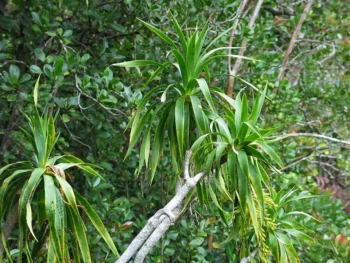
Lanai Hala Pepe: Hawaii’s Critically Endangered Hidden Gem
Meet the Lanai hala pepe (Pleomele fernaldii), one of Hawaii’s most elusive native plants. This little-known subshrub might not be on your typical garden wish list, but its story is both fascinating and heartbreaking—a tale of rarity that puts it among Hawaii’s most critically imperiled plant species.
What Makes Lanai Hala Pepe Special
The Lanai hala pepe is a compact perennial subshrub that stays refreshingly modest in size. This low-growing beauty typically reaches just 1.5 feet tall and never exceeds 3 feet at maturity, making it naturally suited for smaller spaces. You might also see it listed under its botanical synonym, Dracaena hawaiiensis, in older references.
As a true Hawaiian endemic, this plant has called the islands home long before any human settlement. However, its native range tells a sobering story of restriction—it’s found only in Hawaii, and more specifically, its distribution is incredibly limited.
- Species observed
- No observations
A Plant in Crisis: Understanding Its Rarity
Here’s where things get serious: The Lanai hala pepe carries a Global Conservation Status of S1, meaning it’s critically imperiled. In plain terms, this plant is hanging on by a thread, with typically fewer than 5 occurrences or fewer than 1,000 remaining individuals in the wild. It’s officially listed as Endangered in the United States.
This isn’t just another uncommon plant—we’re talking about a species that could vanish forever if we’re not careful.
Should You Plant Lanai Hala Pepe?
The short answer: Probably not, unless you’re involved in legitimate conservation efforts.
Given its critically endangered status, this isn’t a plant for casual home gardening. Here’s what you need to know:
- Only consider growing it if you can source material through approved conservation programs
- Never collect from wild populations—this could push the species closer to extinction
- If you do obtain plants through conservation channels, you’re essentially becoming a steward for one of Hawaii’s rarest species
Growing Conditions and Care
While specific cultivation requirements for Lanai hala pepe aren’t well-documented (partly due to its rarity), we can make some educated guesses based on its natural habitat and plant family characteristics.
The plant has a facultative wetland status in Hawaii, meaning it can handle both wet and dry conditions. This adaptability might seem like good news for gardeners, but remember—its extreme rarity suggests it has very specific needs that aren’t easily replicated in typical garden settings.
Wildlife and Ecological Benefits
Unfortunately, detailed information about the wildlife benefits of Lanai hala pepe remains largely unknown. This knowledge gap itself tells a story about how rare and understudied this species has become. What we do know is that every native Hawaiian plant plays a role in supporting the islands’ unique ecosystems.
Native Alternatives to Consider
If you’re drawn to native Hawaiian plants for your landscape, consider these more readily available alternatives:
- Other Pleomele species that aren’t critically endangered
- Native Hawaiian shrubs with similar growth habits
- Consult with local native plant societies for region-appropriate recommendations
The Bottom Line
The Lanai hala pepe represents something precious and irreplaceable in Hawaii’s natural heritage. While it’s not a plant for the average home garden, learning about species like this reminds us why native plant conservation matters. If you’re passionate about Hawaiian native plants, consider supporting conservation organizations working to protect critically endangered species like this one.
Sometimes the most important thing we can do for a plant is simply let it be—and work to protect the wild spaces where it can continue its ancient story.