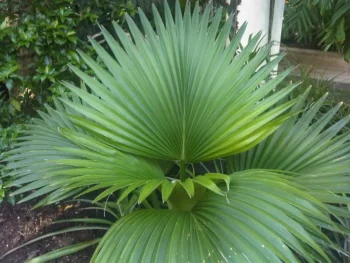
Lanai Pritchardia: A Rare Hawaiian Palm Worth Protecting in Your Garden
If you’re looking to add a touch of authentic Hawaiian beauty to your tropical garden, the Lanai pritchardia (Pritchardia lanaiensis) might just be the showstopper you’ve been searching for. But before you start dreaming of swaying fronds, there’s something important you need to know about this extraordinary palm.
A Palm with a Story
The Lanai pritchardia isn’t just any ordinary palm tree – it’s a living piece of Hawaiian natural heritage. This elegant fan palm is endemic to the island of Lanai, meaning it exists nowhere else on Earth naturally. With its large, pleated fan-shaped fronds that create an instantly recognizable silhouette, this perennial tree can grow to impressive heights of over 13-16 feet, making it a true statement piece in any landscape.
Why This Palm is Special (And Why You Should Care)
Here’s where things get serious: the Lanai pritchardia has a Global Conservation Status of S1, which means it’s critically imperiled. With typically only 5 or fewer occurrences and fewer than 1,000 individuals remaining in the wild, this palm is hanging on by a thread. That extreme rarity makes it both incredibly special and incredibly vulnerable.
The species is native to Hawaii and grows naturally only in that state, specifically on Lanai where it inhabits dry to mesic forest environments.
- Species observed
- No observations
Should You Grow This Rare Beauty?
The short answer is: maybe, but only if you can source it responsibly. Given its critically imperiled status, we strongly recommend planting Lanai pritchardia only if you can obtain plants from reputable nurseries that propagate from legally and ethically sourced material – never from wild-collected specimens.
If you can source it responsibly, here’s why it might be worth adding to your collection:
- Stunning architectural presence with distinctive fan-shaped fronds
- Authentic Hawaiian native plant for tropical landscapes
- Relatively drought-tolerant once established
- Perfect specimen plant or focal point
- Contributes to conservation efforts when grown from ethical sources
Growing Conditions and Care
The Lanai pritchardia is suited for USDA hardiness zones 10-11, so unless you live in a tropical or subtropical climate, this palm is strictly for greenhouse or indoor growing in cooler regions.
In its natural habitat, this palm has a wetland status of Facultative Upland, meaning it usually grows in non-wetland areas but can tolerate some moisture. Here’s what it needs to thrive:
- Light: Partial shade to full sun
- Soil: Well-draining soil is absolutely crucial
- Water: Moderate water once established; drought-tolerant but appreciates consistent moisture during establishment
- Protection: Shield young plants from strong winds
Planting and Care Tips
If you’re fortunate enough to obtain a responsibly sourced Lanai pritchardia, here’s how to give it the best start:
- Plant in a location with excellent drainage – soggy soil is a death sentence for this palm
- Choose a spot protected from harsh winds, especially for young plants
- Water regularly during the first year to help establishment
- Once established, it can handle periods of drought
- Avoid over-fertilizing; these palms prefer lean conditions similar to their native habitat
Garden Design Ideas
The Lanai pritchardia works beautifully as:
- A specimen palm in tropical garden settings
- Part of a Hawaiian native plant collection
- An accent plant in drought-tolerant landscapes
- A focal point in collector’s gardens
The Bottom Line
The Lanai pritchardia is undeniably gorgeous and would make a spectacular addition to any tropical garden. However, its critically imperiled status means that growing it comes with serious responsibility. Only consider adding this palm to your garden if you can source it from reputable nurseries that use ethical propagation methods.
By growing responsibly sourced Lanai pritchardia, you’re not just adding beauty to your landscape – you’re participating in conservation efforts to keep this remarkable species from disappearing forever. And honestly, what could be more rewarding than that?