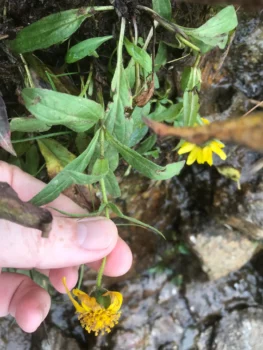
Lanceleaf Arnica: A Rare Woodland Gem Worth Protecting
If you’re searching for a unique native wildflower to add subtle charm to your woodland garden, lanceleaf arnica (Arnica lanceolata) might just be the hidden treasure you’ve been looking for. This delicate perennial brings sunny yellow blooms to shady spaces, but there’s more to this plant than meets the eye.
What Makes Lanceleaf Arnica Special?
Lanceleaf arnica is a charming forb—essentially a non-woody flowering plant—that produces cheerful daisy-like yellow flowers during the summer months. Unlike its showier cousins, this arnica tends to be more modest, typically displaying 1-3 flower heads per stem. The lance-shaped leaves that give this plant its common name create an attractive backdrop for the bright blooms.
Where Does It Call Home?
This native beauty has quite a specific address preference. You’ll find lanceleaf arnica naturally growing in the northeastern regions of North America, specifically in New Brunswick, Quebec, Maine, New Hampshire, New York, and Vermont. It thrives in the cooler climates of zones 2-6, making it perfect for northern gardeners.
- Species observed
- No observations
A Plant That Needs Our Help
Here’s where things get serious: lanceleaf arnica has a Global Conservation Status of S3, meaning it’s considered vulnerable. This classification indicates the plant is either very rare throughout its range or faces factors that could lead to its disappearance. With typically only 21 to 100 occurrences and between 3,000 to 10,000 individuals remaining, this is a plant that deserves our respect and careful attention.
Important note: If you’re considering adding lanceleaf arnica to your garden, please only purchase from reputable native plant nurseries that use responsibly sourced, ethically propagated material. Never harvest from wild populations.
Perfect Spots in Your Garden
Lanceleaf arnica isn’t your typical sun-loving garden center find. This woodland specialist prefers:
- Partial to full shade conditions
- Moist, well-drained soils rich in organic matter
- Cool, humid environments
- Protection from hot afternoon sun
It’s an excellent choice for woodland gardens, naturalized areas, or native plant gardens where you want to recreate a slice of northeastern forest floor.
Wetland Flexibility
One interesting characteristic of lanceleaf arnica is its adaptability to moisture levels. Depending on your region, it can handle both wetland and non-wetland conditions, though in some areas like the Arid West and Western Mountains, it shows a preference for wetter sites. This flexibility makes it suitable for those tricky garden spots that are sometimes wet, sometimes dry.
Supporting Pollinators
Those cheerful yellow flowers aren’t just pretty—they’re pollinator magnets. Bees, butterflies, and other beneficial insects appreciate the nectar and pollen that lanceleaf arnica provides during its summer blooming period. By growing this native plant, you’re supporting local pollinator populations while adding authentic regional character to your landscape.
Growing Tips for Success
Growing lanceleaf arnica successfully means thinking like a forest:
- Soil preparation: Amend your planting area with plenty of organic matter like leaf mold or compost
- Location: Choose a spot with morning sun and afternoon shade, or dappled light throughout the day
- Watering: Keep soil consistently moist but not waterlogged
- Temperature: This cool-climate native may go dormant during hot weather—don’t panic, it’s normal!
- Patience: As a perennial, it may take a season or two to become fully established
The Bottom Line
Lanceleaf arnica offers northern gardeners a chance to grow a truly special native plant while contributing to conservation efforts. Its modest beauty, pollinator value, and authentic regional character make it worth seeking out—just remember to source it responsibly. In return for providing the cool, moist conditions it craves, you’ll be rewarded with a piece of northeastern woodland magic right in your own backyard.
By choosing to grow vulnerable native plants like lanceleaf arnica, you’re not just gardening—you’re participating in preservation. And that’s something worth celebrating, one yellow flower at a time.