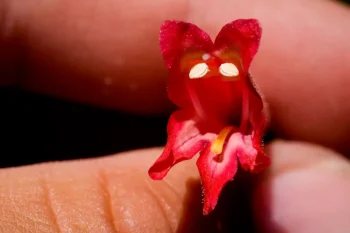
Lanceleaf Beardtongue: A Hidden Gem for Southwestern Gardens
If you’re looking for a tough, beautiful native perennial that can handle the heat and drought of the Southwest, let me introduce you to lanceleaf beardtongue (Penstemon ramosus). This underappreciated wildflower might just become your new favorite addition to a water-wise garden.
What Is Lanceleaf Beardtongue?
Lanceleaf beardtongue is a native perennial forb that calls the American Southwest home. As a member of the beloved penstemon family, it produces the characteristic tubular flowers that make these plants so popular with both gardeners and pollinators. Don’t let the slightly intimidating botanical name fool you – this is one tough, adaptable plant that’s surprisingly easy to grow.
You might occasionally see this plant listed under older names like Penstemon lanceolatus or Penstemon pauciflorus, but Penstemon ramosus is the accepted name botanists use today.
Where Does It Grow Naturally?
This southwestern native has a relatively limited range, naturally occurring in Arizona, New Mexico, and Texas. It’s perfectly adapted to the hot, dry conditions of these regions, making it an excellent choice for gardeners dealing with similar challenging conditions.
- Species observed
- No observations
Why Plant Lanceleaf Beardtongue?
There are several compelling reasons to consider adding this native beauty to your landscape:
- Drought Tolerance: Once established, lanceleaf beardtongue can handle extended dry periods with minimal supplemental watering
- Pollinator Magnet: The tubular flowers are perfectly designed to attract bees, butterflies, and hummingbirds
- Low Maintenance: As a native plant, it’s naturally adapted to local conditions and requires minimal care
- Extended Blooming: Perennial growth means you’ll enjoy flowers year after year
- Native Plant Benefits: Supporting local ecosystems and wildlife with indigenous species
Perfect Garden Settings
Lanceleaf beardtongue shines in several types of landscapes:
- Native plant gardens
- Xeriscaped yards
- Rock gardens
- Pollinator gardens
- Naturalized wildflower areas
- Low-water landscape designs
Growing Conditions and Care
The beauty of growing native plants like lanceleaf beardtongue lies in their adaptability to local conditions. Here’s what this southwestern native prefers:
Sunlight: Full sun to partial shade – it’s quite flexible with light conditions
Soil: Well-draining soil is essential. This plant won’t tolerate soggy conditions, so ensure good drainage
Water: Drought-tolerant once established, but appreciates occasional deep watering during the first growing season
Climate: Best suited for USDA hardiness zones 7-9, matching its natural southwestern range
Planting and Care Tips
Getting started with lanceleaf beardtongue is refreshingly straightforward:
- Plant in spring or fall for best establishment
- Ensure excellent drainage – amend heavy clay soils with sand or gravel if needed
- Water regularly during the first season, then reduce to occasional deep watering
- Minimal fertilization needed – native plants often prefer lean soils
- Deadhead spent flowers to encourage continued blooming
- Allow some seed heads to remain for wildlife and potential self-seeding
A Note About Conservation
Lanceleaf beardtongue has a somewhat limited natural distribution and uncertain conservation status. If you’re planning to add this plant to your garden, please source it responsibly from reputable native plant nurseries rather than collecting from wild populations. This ensures wild plants can continue thriving in their natural habitats while you enjoy their beauty in your landscape.
The Bottom Line
For gardeners in the Southwest looking to create beautiful, sustainable landscapes, lanceleaf beardtongue offers an excellent combination of beauty, toughness, and ecological value. While it may not be as widely known as some other penstemons, this native gem deserves serious consideration for any water-wise or pollinator-friendly garden. Just remember to source your plants responsibly, and you’ll be rewarded with years of lovely blooms and visiting pollinators.