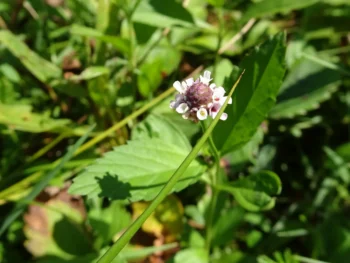
Lanceleaf Fogfruit: The Unsung Hero of Wetland Gardens
If you’re looking for a native groundcover that thrives in those tricky wet spots where other plants fear to tread, meet lanceleaf fogfruit (Phyla lanceolata). Also known as lanceleaf frogfruit, this plucky little perennial might not win any beauty contests, but it’s a champion when it comes to solving soggy soil problems while supporting local wildlife.
What Is Lanceleaf Fogfruit?
Lanceleaf fogfruit is a low-growing, spreading perennial forb that belongs to the verbena family. Don’t let the humble appearance fool you – this native groundcover is a workhorse in wet environments. The plant gets its name from its narrow, lance-shaped leaves and small, dense flower clusters that some say resemble tiny patches of fog.
As a true North American native, this species has been doing its thing across the continent long before European settlement. You might also see it listed under its former scientific names, including Lippia lanceolata, but Phyla lanceolata is the current accepted name.
Where Does It Grow Naturally?
Talk about widespread! Lanceleaf fogfruit naturally occurs across an impressive range, from southern Canada down through most of the lower 48 states. You’ll find it thriving in states from coast to coast, including Alabama, Arizona, California, Florida, Illinois, Texas, and many others. This extensive native range speaks to its adaptability and ecological importance.
- Species observed
- No observations
A Word of Caution: Rarity Status
Here’s something important to know: while lanceleaf fogfruit is common in many areas, it’s listed as endangered in New Jersey, where it’s also protected in the Pinelands and Highlands regions. If you live in New Jersey or other areas where it might be uncommon, make sure you source your plants responsibly from reputable native plant nurseries rather than collecting from the wild.
Why Grow Lanceleaf Fogfruit?
This isn’t your typical showy garden star, but lanceleaf fogfruit brings several valuable qualities to the right garden setting:
- Wetland specialist: Thrives in consistently moist to wet conditions that challenge many other plants
- Erosion control: The spreading growth habit helps stabilize soil along water features
- Low maintenance: Once established, it pretty much takes care of itself
- Pollinator magnet: The small flowers attract native bees, flies, and other beneficial insects
- Native heritage: Supports local ecosystems and wildlife
Perfect Garden Settings
Lanceleaf fogfruit isn’t meant for formal flower borders or manicured lawns. Instead, consider it for:
- Rain gardens and bioswales
- Pond or stream margins
- Wetland restoration projects
- Native plant gardens with wet areas
- Naturalized landscapes
- Areas prone to seasonal flooding
Growing Conditions and Care
The beauty of lanceleaf fogfruit lies in its simplicity. This plant has evolved to handle conditions that would stress many garden favorites:
Sunlight: Full sun to partial shade, though it flowers best with plenty of sunlight
Soil: Consistently moist to wet soils are essential. It can handle clay, sand, or loamy conditions as long as moisture levels stay high
Water: This is where fogfruit shines – it actually prefers wet conditions and can tolerate periodic flooding
Hardiness: Adaptable across USDA zones 3-10, making it suitable for most of North America
What to Expect
Lanceleaf fogfruit forms a low, spreading mat that rarely gets taller than 6 inches. The tiny white to pale pink flowers appear in dense, rounded clusters throughout the growing season. While individual flowers are small, they’re perfectly sized for small native pollinators who might struggle with larger blooms.
The plant spreads by runners, so give it room to roam or be prepared to contain it in smaller spaces. In the right wetland setting, this spreading habit is exactly what you want for erosion control and wildlife habitat.
Planting and Care Tips
- Plant in spring after the last frost
- Choose the wettest spot in your garden – seriously!
- Space plants 12-18 inches apart if planting multiple specimens
- Water regularly until established, then let nature take over
- No fertilizer needed – it’s adapted to naturally occurring soil conditions
- Minimal pruning required; just remove any dead material in spring
The Bottom Line
Lanceleaf fogfruit won’t win awards for flashy flowers or dramatic foliage, but it fills a crucial niche in native plant gardening. If you have wet, challenging areas where other plants struggle, or if you’re creating habitat for small pollinators, this humble groundcover deserves serious consideration. Just remember to source plants responsibly, especially if you’re in areas where it might be uncommon. Sometimes the most valuable garden plants are the ones that quietly do their job while supporting the broader ecosystem – and lanceleaf fogfruit does exactly that.