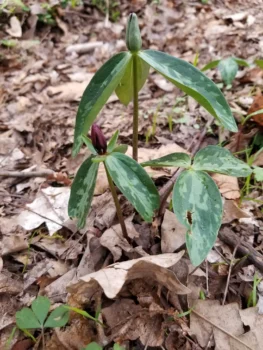
Lanceleaf Wakerobin: A Rare Southeastern Treasure Worth Protecting
If you’re a native plant enthusiast with a passion for rare wildflowers, the lanceleaf wakerobin (Trillium lancifolium) might just capture your heart. This distinctive southeastern native brings early spring magic to woodland gardens, but there’s an important conservation story every gardener should know before adding this beauty to their landscape.
What Makes Lanceleaf Wakerobin Special?
The lanceleaf wakerobin is a perennial wildflower that belongs to the beloved trillium family. Like all trilliums, it follows the rule of three – three leaves, three petals, and three sepals create its signature look. What sets this species apart are its lance-shaped leaves (hence the name) and typically maroon to deep red flowers that appear in early spring, often before the forest canopy leafs out completely.
As a forb, this woodland gem lacks significant woody tissue and emerges fresh each spring from underground rhizomes. The plant creates an elegant, low-growing presence that perfectly complements other native woodland plants.
Where Does It Call Home?
Lanceleaf wakerobin is native to the southeastern United States, naturally occurring in Alabama, Florida, Georgia, Mississippi, South Carolina, and Tennessee. Within this range, it typically inhabits rich, deciduous woodlands and forest understories where dappled sunlight filters through the canopy.
- Species observed
- No observations
The Conservation Reality: Handle with Care
Here’s what every gardener needs to know: Lanceleaf wakerobin carries a conservation status ranging from S1 (Critically Imperiled) to S3 (Vulnerable), depending on the location. This means the species faces serious threats in the wild, with some populations having fewer than 1,000 individuals remaining.
If you’re considering adding this rare beauty to your garden, please follow these ethical guidelines:
- Only purchase plants from reputable nurseries that propagate their own stock
- Never collect plants from the wild – this can harm already fragile populations
- Verify that any plants you buy are nursery-propagated, not wild-collected
- Consider this plant only if you can provide ideal growing conditions for long-term success
Growing Conditions: Creating the Perfect Woodland Haven
Lanceleaf wakerobin thrives in conditions that mimic its natural forest habitat. Here’s what this woodland native needs to flourish:
- Light: Partial to full shade – think filtered sunlight through tree branches
- Soil: Rich, moist, well-draining woodland soil with plenty of organic matter
- Moisture: Consistent moisture, especially during spring growing season
- pH: Neutral to slightly acidic soil conditions
- Climate: Hardy in USDA zones 6-9
Garden Design: Where It Shines
This rare trillium works beautifully in:
- Woodland gardens alongside native ferns and wildflowers
- Shade gardens with other spring ephemerals
- Native plant collections focusing on southeastern species
- Naturalized areas under mature trees
Pair it with other native woodland companions like wild ginger, mayapple, or bloodroot for a stunning spring display that supports local ecosystems.
Planting and Care Tips
Growing trilliums requires patience – they’re not called slow and steady woodland plants for nothing! Here are key success tips:
- Timing: Plant dormant rhizomes in fall for spring establishment
- Planting depth: Set rhizomes about 2-3 inches deep
- Mulching: Apply leaf mold or organic mulch to retain moisture and suppress weeds
- Patience: Allow 2-3 years for plants to become fully established
- Hands-off approach: Once established, avoid disturbing the roots
Supporting Local Wildlife
While specific pollinator data for lanceleaf wakerobin is limited, trilliums generally attract small flies and beetles that serve as pollinators. Early spring woodland flowers like this provide crucial nectar sources when few other plants are blooming, making them valuable additions to wildlife-supporting landscapes.
The Bottom Line
Lanceleaf wakerobin offers southeastern gardeners a chance to grow a truly special native wildflower – but only with careful consideration for conservation ethics. If you can source plants responsibly and provide the ideal woodland conditions this rare beauty needs, you’ll be rewarded with a unique spring bloomer that connects your garden to the region’s natural heritage.
Remember, every responsibly grown rare plant in cultivation helps preserve genetic diversity and reduces pressure on wild populations. By choosing to grow lanceleaf wakerobin ethically, you become part of its conservation story rather than a threat to its survival.