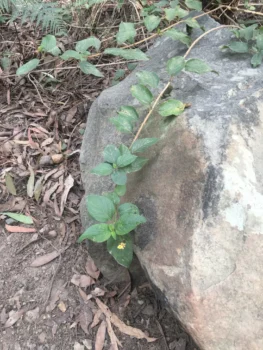
Lantana: The Beautiful but Problematic Bloomer You Should Think Twice About Planting
If you’ve ever been charmed by those cheerful clusters of colorful flowers that seem to bloom endlessly in warm climates, you’ve likely encountered lantana (Lantana camara). Also known as lakana, this perennial shrub is undeniably attractive – but before you rush to add it to your garden, there are some important things you need to know about this complex plant.
What Exactly Is Lantana?
Lantana camara is a multi-stemmed woody shrub that typically grows 4-5 meters (13-16 feet) tall, though it can sometimes reach greater heights under the right conditions. What makes it so eye-catching are its clusters of small, tubular flowers that come in vibrant combinations of yellow, orange, red, pink, purple, and white. Here’s the really neat part – the flowers often change color as they age, creating beautiful multi-colored displays on the same plant!
Where Does Lantana Come From and Where Does It Grow Now?
While lantana is native to parts of tropical America – including Puerto Rico, the U.S. Virgin Islands, and Navassa Island – it has spread far beyond its original home. Today, you’ll find it growing in states across the American South and West, including Alabama, Arizona, California, Florida, Georgia, Hawaii, Louisiana, Mississippi, North Carolina, Oklahoma, South Carolina, Texas, and Utah, plus various U.S. territories.
- Species observed
- No observations
The Problem with Lantana: Why You Might Want to Skip It
Here’s where things get complicated. Despite its undeniable beauty, lantana camara has earned a reputation as an invasive species in many areas where it’s been introduced. In Alabama, for example, it’s classified as a Category 2 invasive plant, meaning it reproduces spontaneously in the wild and tends to persist without any human help.
This aggressive spreading behavior can crowd out native plants and disrupt local ecosystems. When a non-native plant establishes itself so successfully that it starts pushing out the locals, it becomes more than just a garden plant – it becomes an ecological concern.
Growing Conditions and Care
If lantana is already established in your area and you’re dealing with existing plants, here’s what you should know about its preferences:
- Sunlight: Thrives in full sun conditions
- Water needs: Very drought tolerant once established
- Soil: Prefers well-draining soil but tolerates poor soil conditions
- Climate: Hardy in USDA zones 9-11, though can be grown as an annual in cooler areas
- Wetland tolerance: Usually found in non-wetland areas but can occasionally grow in wetlands (except in Hawaii, where it sticks to dry areas)
The plant requires minimal care once established and benefits from occasional pruning to keep it in bounds – though keeping it in bounds can be quite the challenge given its spreading tendencies!
The Wildlife Connection
One positive aspect of lantana is its appeal to pollinators. The nectar-rich flowers attract butterflies, bees, and other beneficial insects, providing them with an important food source. However, this benefit must be weighed against the potential ecological disruption the plant can cause.
Better Alternatives for Your Garden
Instead of planting lantana, consider these native alternatives that can provide similar benefits without the ecological concerns:
- Native wildflowers that attract pollinators in your specific region
- Indigenous shrubs that provide year-round interest and wildlife habitat
- Regional native plants that offer colorful blooms and drought tolerance
Check with your local extension office or native plant society for recommendations specific to your area.
The Bottom Line
While lantana camara certainly has its charms – those cheerful, color-changing flower clusters are hard to resist – its invasive tendencies make it a problematic choice for responsible gardeners. Instead of introducing or encouraging this non-native species, consider exploring the wonderful world of native plants that can provide similar aesthetic appeal while supporting your local ecosystem.
Remember, every plant we choose for our gardens is a vote for the kind of landscape we want to create. By choosing native alternatives, you’re voting for biodiversity, ecological health, and a garden that truly belongs in your corner of the world.