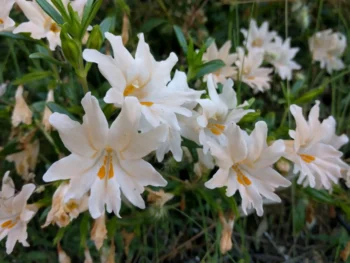
Largeflower Bush Monkeyflower: A Showstopping Native for California Gardens
If you’re looking for a native California plant that puts on a spectacular floral display while supporting local wildlife, the largeflower bush monkeyflower (Diplacus grandiflorus) might just be your new garden superstar. This perennial shrub brings both beauty and ecological benefits to landscapes throughout its native range.
What Makes This Plant Special?
The largeflower bush monkeyflower lives up to its name with gorgeous, large tubular flowers in vibrant shades of orange to red-orange. These blooms appear from spring through fall, creating months of eye-catching color in your garden. The plant itself is a multi-stemmed woody shrub that typically stays under 13-16 feet tall, making it perfect for residential landscapes.
What really sets this plant apart is its sticky, aromatic foliage that releases a pleasant scent when touched. This characteristic, combined with its drought tolerance once established, makes it a fantastic choice for water-wise California gardens.
Native Range and Geographic Distribution
This beautiful shrub is native exclusively to California, where it thrives in coastal areas and chaparral regions. Its natural habitat gives us great clues about where it will perform best in cultivation.
- Species observed
- No observations
A Important Note About Rarity
Before we dive into growing tips, it’s important to know that largeflower bush monkeyflower has a conservation status that suggests it may be uncommon in the wild. If you decide to add this plant to your garden, please source it responsibly from reputable native plant nurseries rather than collecting from wild populations.
Why Grow Largeflower Bush Monkeyflower?
Here are the top reasons this native shrub deserves a spot in your landscape:
- Hummingbird magnet: Those large, tubular flowers are perfectly designed for hummingbirds, making this an excellent choice for wildlife gardens
- Long bloom season: Enjoy flowers from spring through fall
- Drought tolerant: Once established, it requires minimal supplemental watering
- Native plant benefits: Supports local ecosystems and requires less maintenance than non-native alternatives
- Manageable size: Won’t overwhelm smaller gardens
Perfect Garden Settings
Largeflower bush monkeyflower shines in several types of gardens:
- Mediterranean and drought-tolerant landscapes
- Wildlife and pollinator gardens
- Native plant gardens
- Coastal gardens
- Slope plantings for erosion control
- Xeriscape designs
Growing Conditions and Care
This California native is relatively easy to grow when you match its preferred conditions:
Sunlight: Full sun to partial shade, though it blooms best with plenty of morning sun
Soil: Well-draining soil is absolutely essential. Sandy or rocky soils work particularly well. Heavy clay soils that retain water can cause root problems.
Water: Drought tolerant once established, but appreciates occasional deep watering during dry spells. Avoid overwatering, especially in summer.
Climate: Hardy in USDA zones 8-10, making it suitable for most of California’s Mediterranean climate
Planting and Care Tips
Follow these guidelines for the best success:
- Plant timing: Fall is the ideal planting time, giving roots time to establish before summer heat
- Spacing: Allow adequate space for the mature size of the shrub
- Mulching: Apply mulch around the base to retain moisture and suppress weeds, but keep it away from the stem
- Pruning: Light pruning after the main bloom period can encourage bushier growth and additional flowers
- Fertilizing: Generally unnecessary in decent soil; native plants often prefer lean conditions
Wildlife and Pollinator Benefits
The largeflower bush monkeyflower is primarily pollinated by hummingbirds, who are drawn to its large, nectar-rich flowers. The plant may also attract some bees and butterflies, adding to its value in wildlife-friendly landscapes. By choosing this native plant, you’re providing food sources that local wildlife have evolved with over thousands of years.
Is This Plant Right for Your Garden?
Largeflower bush monkeyflower is an excellent choice if you:
- Live in California within USDA zones 8-10
- Want to attract hummingbirds to your garden
- Prefer low-maintenance, drought-tolerant plants
- Have well-draining soil or are willing to amend heavy clay
- Appreciate long-blooming native plants
- Can source plants responsibly from reputable nurseries
However, this plant might not be the best fit if you have heavy clay soil that stays wet, live outside its hardiness range, or prefer plants that bloom only briefly.
With its stunning flowers, wildlife benefits, and low-maintenance nature, the largeflower bush monkeyflower represents the best of California’s native flora. When sourced responsibly and planted in appropriate conditions, it can become a treasured centerpiece in your sustainable, wildlife-friendly garden.