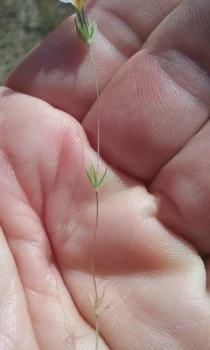
Largeflower Linanthus: A Delicate California Native Worth Protecting
If you’re looking to add a touch of ethereal beauty to your California native garden, largeflower linanthus (Leptosiphon grandiflorus) might just be the charming annual you’ve been searching for. This delicate wildflower brings a cloud-like quality to landscapes with its small white blooms and fine-textured foliage, though it comes with some important conservation considerations every gardener should know.
What Makes Largeflower Linanthus Special
Largeflower linanthus is a true California native, found exclusively within the Golden State’s diverse landscapes. You might also encounter this plant listed under its botanical synonym, Linanthus grandiflorus, in older gardening references. As an annual forb, it completes its entire life cycle in one growing season, making it a perfect candidate for seasonal color and natural reseeding in appropriate conditions.
This species grows exclusively in California, where it has adapted to the state’s Mediterranean climate and varied terrain. However, it’s important to note that largeflower linanthus has a Global Conservation Status of S3, meaning it’s considered vulnerable due to its limited range and relatively few occurrences in the wild.
- Species observed
- No observations
A Conservation-Conscious Choice
Important: Before adding largeflower linanthus to your garden, please ensure you source seeds or plants from reputable native plant nurseries that ethically propagate their stock. Never collect seeds or plants from wild populations, as this species is already vulnerable to extirpation. Responsible gardening means helping protect rare plants rather than contributing to their decline.
Garden Appeal and Design Role
Standing at about 2 feet tall when mature, largeflower linanthus creates a lovely vertical accent without overwhelming smaller companions. Its white flowers bloom conspicuously during mid-spring, creating beautiful seasonal displays that complement other native wildflowers perfectly. The plant’s rapid growth rate means you’ll see quick results from seed, while its single crown growth form creates neat, contained clumps.
This native works wonderfully in:
- Wildflower meadows and naturalistic plantings
- Native plant gardens focused on California species
- Rock gardens and well-draining slopes
- Drought-tolerant landscape designs
- Seasonal color displays in Mediterranean-style gardens
Growing Conditions and Care
Largeflower linanthus thrives in USDA hardiness zones 9-10, making it suitable for most of California’s diverse climate regions. This adaptable native accepts coarse, medium, and fine-textured soils, though proper drainage is essential for success.
Planting Requirements
- Sunlight: Full sun (shade intolerant)
- Soil pH: 6.2 to 7.6 (slightly acidic to slightly alkaline)
- Water needs: Medium moisture use with medium drought tolerance
- Minimum root depth: 8 inches
- Temperature: Minimum 52°F
- Frost-free days: At least 280 days annually
Planting and Care Tips
The best way to establish largeflower linanthus is through direct seeding, as this annual doesn’t respond well to transplanting. With approximately 75,000 seeds per pound, a little goes a long way! Sow seeds in fall for spring germination, mimicking the plant’s natural cycle.
Once established, this native requires minimal intervention. Its medium fertility requirements mean you won’t need to heavily amend your soil, and its medium drought tolerance makes it perfect for water-wise gardening. The plant’s active growth period occurs during summer, with blooming happening in mid-spring.
Pollinator and Wildlife Benefits
While specific wildlife benefits aren’t extensively documented, largeflower linanthus likely supports small native pollinators typical of California’s native plant communities. Its spring blooming period provides nectar sources when many pollinators are most active.
The Bottom Line
Largeflower linanthus offers California gardeners a chance to grow a truly unique native species while participating in conservation efforts. Its delicate beauty, easy care requirements, and rapid growth make it an excellent choice for native plant enthusiasts. Just remember to source your plants responsibly and help protect this vulnerable species by growing it rather than collecting from the wild.
By choosing largeflower linanthus, you’re not just adding beauty to your garden—you’re helping preserve a piece of California’s natural heritage for future generations to enjoy.