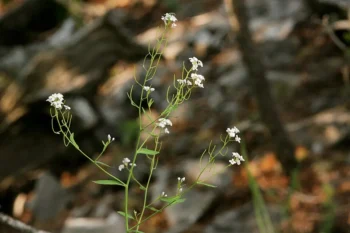
Las Vegas Tumblemustard: A Hardy Native for Southwestern Gardens
Meet Las Vegas tumblemustard (Thelypodiopsis vaseyi), a tough little native plant that’s perfectly at home in the challenging conditions of the American Southwest. Don’t let the quirky name fool you – this scrappy biennial has earned its place in native plant gardens across New Mexico and Texas.
What is Las Vegas Tumblemustard?
Las Vegas tumblemustard is a native biennial forb, meaning it completes its life cycle over two years and lacks the woody stems of shrubs or trees. Instead, it’s an herbaceous plant that puts its energy into producing flowers and seeds rather than building thick, woody tissue. You might also see it listed under its former scientific name, Sisymbrium vaseyi, in older gardening references.
This hardy native calls the lower 48 states home, specifically thriving in New Mexico and Texas where it has adapted to some pretty challenging growing conditions.
- Species observed
- No observations
Why Grow Las Vegas Tumblemustard?
If you’re looking to create an authentic southwestern landscape or support native biodiversity, this plant deserves serious consideration. Here’s why:
- True native credentials: This plant evolved right alongside local wildlife and climate conditions
- Drought tolerance: Once established, it thrives with minimal water – perfect for xeriscaping
- Pollinator support: Its modest flowers provide nectar for native bees and other beneficial insects
- Low maintenance: As a biennial, it often self-seeds, creating a sustainable cycle in your garden
Garden Design and Landscape Role
Las Vegas tumblemustard isn’t going to be the star of your flower border, but it plays an important supporting role in native plant communities. Consider using it in:
- Native wildflower meadows
- Desert or xerophytic gardens
- Naturalized areas where you want authentic regional flora
- Low-water landscape designs
- Native plant collections
Its unassuming nature makes it an excellent filler plant that helps create the natural, slightly wild look that many native gardeners love.
Growing Conditions and Care
The beauty of this native lies in its simplicity. Las Vegas tumblemustard has adapted to thrive in conditions that would stress many garden plants:
- Sunlight: Full sun exposure
- Soil: Well-drained soils – it doesn’t tolerate soggy conditions
- Water: Drought tolerant once established; minimal irrigation needed
- Climate: Best suited for USDA hardiness zones 7-9
Planting and Care Tips
Growing Las Vegas tumblemustard successfully is all about mimicking its natural habitat:
- Timing: As a biennial, plant seeds in fall for flowers the following year
- Soil preparation: Ensure excellent drainage – add sand or gravel if your soil holds water
- Watering: Water gently during establishment, then step back and let nature take over
- Maintenance: Minimal pruning needed; allow plants to set seed for natural reproduction
- Spacing: Give plants room to spread naturally
Is This Plant Right for Your Garden?
Las Vegas tumblemustard is ideal if you’re creating a native southwestern garden, working with challenging dry conditions, or want to support local pollinators with authentic regional plants. However, it might not be the best choice if you’re looking for showy flowers or need plants for wet areas.
This humble native proves that sometimes the most valuable garden plants are the ones that work quietly behind the scenes, supporting the local ecosystem while asking for very little in return. In a world where water conservation is increasingly important, plants like Las Vegas tumblemustard offer us a sustainable path forward in our gardens.