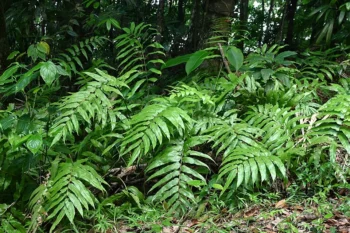
Latticevein Fern: A Delicate Native Beauty for Warm Climate Gardens
If you’re looking to add some tropical flair to your shaded garden spaces, the latticevein fern (Thelypteris reticulata) might just be the perfect addition. This charming native fern brings an airy, delicate texture that can transform any woodland corner into a lush retreat.
What Makes the Latticevein Fern Special?
The latticevein fern gets its common name from the beautiful net-like pattern of veins that decorates its fronds. These intricate, reticulated veins create a lacework effect that’s simply stunning when light filters through the canopy above. You might also encounter this fern listed under its botanical synonyms Dryopteris reticulata or Meniscium reticulatum in older gardening references.
As a perennial fern, this species will return year after year, gradually spreading to form lovely colonies in the right conditions. Despite being classified technically as a forb in botanical terms, it’s very much a true fern with all the classic characteristics we love about these ancient plants.
Where Does It Call Home?
This lovely fern is a true native of the southeastern United States and Caribbean, naturally occurring in Florida and Puerto Rico. It’s perfectly adapted to the warm, humid conditions of these subtropical and tropical regions.
- Species observed
- No observations
Is the Latticevein Fern Right for Your Garden?
If you live in USDA hardiness zones 9-11, you’re in luck! The latticevein fern thrives in these warm climates and can be a wonderful addition to your landscape. Here’s what makes it a great choice:
- Native plant that supports local ecosystems
- Low-maintenance once established
- Adds unique texture with its distinctive venation pattern
- Perfect for creating that tropical, jungle-like atmosphere
- Works beautifully as a groundcover in shaded areas
However, if you’re gardening in cooler climates, this fern won’t survive your winters outdoors. In that case, you might consider it as a container plant that can be brought indoors during cold months.
Creating the Perfect Growing Conditions
The latticevein fern has some specific preferences that, once met, will have it thriving in your garden:
Light Requirements: This fern much prefers the dappled light of partial to full shade. Direct sunlight will scorch its delicate fronds, so save those sunny spots for your sun-loving plants.
Soil Needs: Think rich, organic, and consistently moist but not waterlogged. The fern naturally grows in areas that stay relatively wet, earning it a Facultative Wetland status. This means while it loves moisture, it can also tolerate periods of less wet conditions.
Humidity: Being native to Florida and Puerto Rico, this fern craves humidity. If you live in a drier climate within its hardiness range, consider grouping it with other moisture-loving plants or placing it near water features.
Planting and Care Tips
Getting your latticevein fern off to a good start is fairly straightforward:
- Plant in early spring after the last frost danger has passed
- Amend your soil with plenty of organic matter like compost or leaf mold
- Space plants about 18-24 inches apart to allow for natural spreading
- Water regularly during the first growing season to establish roots
- Apply a layer of organic mulch to help retain moisture and suppress weeds
- Remove any damaged or yellowing fronds as needed throughout the growing season
Design Ideas and Garden Companions
The latticevein fern shines in woodland gardens and naturalistic landscapes. Its delicate texture contrasts beautifully with broader-leaved shade plants. Consider pairing it with other native Florida plants like wild ginger, coral honeysuckle, or native begonias for a authentic regional garden feel.
This fern also works wonderfully along shaded walkways, around the base of trees, or in rain gardens where its wetland tolerance really comes in handy.
A Final Thought
While we don’t have complete information about this fern’s specific wildlife benefits, native ferns generally provide important habitat and food sources for various insects and small creatures. By choosing native plants like the latticevein fern, you’re contributing to your local ecosystem while enjoying a beautiful, low-maintenance addition to your garden.
If you’re gardening in zones 9-11 and have some shady, moist spots that need a touch of delicate beauty, the latticevein fern could be just what you’re looking for. Its unique charm and native credentials make it a wonderful choice for the environmentally conscious gardener.