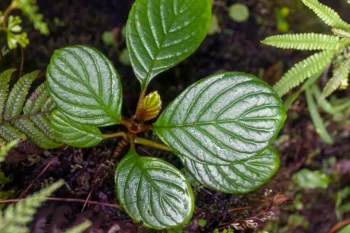
Lava Cyrtandra: A Rare Hawaiian Native Worth Protecting
If you’re passionate about native Hawaiian plants and have the right tropical climate, the lava cyrtandra (Cyrtandra heinrichii) might just capture your heart. This endemic Hawaiian shrub represents the unique beauty of the islands’ native flora, though it comes with some important considerations for the conscientious gardener.
Meet the Lava Cyrtandra
The lava cyrtandra goes by the scientific name Cyrtandra heinrichii and belongs to a fascinating genus of plants found throughout the Pacific islands. As a perennial shrub, this woody plant typically grows as a multi-stemmed specimen, usually staying under 13-16 feet in height. You might also see it listed under its synonym Cyrtandra confertiflora var. obovata in some botanical references.
A True Hawaiian Native
This special plant is endemic to Hawaii, meaning it naturally occurs nowhere else on Earth. You’ll find it growing wild only in the Hawaiian Islands, where it has evolved to thrive in the unique conditions of tropical wet forests.
- Species observed
- No observations
Beauty in Simplicity
While the lava cyrtandra may not be the showiest plant in the garden, it offers subtle charm with its attractive broad, dark green leaves featuring prominent veining. The small, tubular flowers range from white to pale pink and, while relatively inconspicuous, add a delicate touch to this understory shrub.
Important Rarity Considerations
Here’s something crucial to know: Cyrtandra heinrichii has a conservation status that suggests it may be rare or of conservation concern. If you’re considering adding this plant to your garden, it’s essential to source it only from reputable native plant nurseries that propagate their stock responsibly. Never collect plants from the wild, and always verify that any plant material comes from legally and ethically sourced origins.
Garden Role and Landscape Use
In the right setting, lava cyrtandra functions beautifully as an understory shrub in naturalistic Hawaiian gardens. It’s particularly well-suited for:
- Native Hawaiian plant collections
- Woodland gardens with dappled shade
- Rain gardens or consistently moist areas
- Conservation-focused landscapes
Growing Conditions and Care
This plant has some specific needs that reflect its native wet forest habitat:
- Climate: USDA zones 10-11 only (tropical and subtropical climates)
- Light: Partial to full shade – protect from direct sunlight
- Moisture: Consistent moisture is essential; this plant has facultative wetland status, meaning it usually grows in wetland conditions but can tolerate some drier periods
- Humidity: High humidity levels similar to Hawaiian wet forests
- Soil: Well-draining but moisture-retentive soil
Is Lava Cyrtandra Right for Your Garden?
This plant is definitely not for everyone. You’ll want to consider growing lava cyrtandra if you:
- Live in a tropical climate (zones 10-11)
- Are passionate about native Hawaiian plants
- Can provide consistent moisture and high humidity
- Have access to responsibly sourced plant material
- Want to support conservation of rare native species
However, if you live outside the appropriate climate zones or can’t meet its specific moisture and humidity requirements, this plant probably isn’t the best choice for your garden.
The Bottom Line
Cyrtandra heinrichii is a special plant that deserves our respect and protection. If you’re in the right climate and can source it responsibly, growing this Hawaiian endemic can be a wonderful way to connect with and support native biodiversity. Just remember that with great beauty comes great responsibility – always prioritize conservation and ethical sourcing when adding rare native plants to your collection.