Lavafield Jackbean: A Rare Hawaiian Treasure Worth Protecting
If you’re passionate about native Hawaiian plants and conservation gardening, the lavafield jackbean (Canavalia pubescens) might just capture your heart—though it comes with some important considerations. This remarkable climbing vine is one of Hawaii’s most endangered native plants, making it both a botanical treasure and a conservation priority.
What Makes Lavafield Jackbean Special?
The lavafield jackbean is a perennial forb herb that’s endemic to the Hawaiian Islands, meaning it exists nowhere else on Earth. True to its name, this hardy plant has adapted to grow in some of Hawaii’s most challenging environments, including volcanic lava fields and coastal areas where few other plants dare to venture.
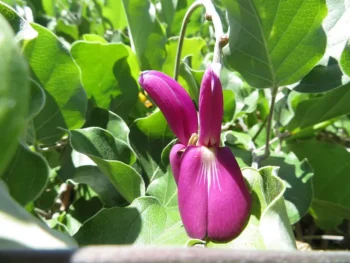
This climbing vine produces beautiful purple to pink pea-like flowers that stand out against its large, three-part leaves. As a member of the legume family, it has the special ability to fix nitrogen in the soil, making it an ecological powerhouse that actually improves the growing conditions for other plants around it.
Where Does It Grow?
Lavafield jackbean is found exclusively in Hawaii, where it clings to life in some of the most extreme environments on the islands. You’ll find it growing naturally on lava fields, coastal cliffs, and other harsh volcanic landscapes where its deep taproot and drought tolerance give it a survival advantage.
- Species observed
- No observations
A Plant in Peril: Understanding Its Rarity
Here’s the critical information every gardener needs to know: Lavafield jackbean has a Global Conservation Status of S1, meaning it’s critically imperiled. In the United States, it’s classified as Endangered, with typically five or fewer occurrences and very few remaining individuals in the wild.
This rarity status means that while we absolutely encourage growing this important native species, it’s crucial to source plants or seeds only from reputable native plant nurseries or conservation programs. Never collect from wild populations—every plant in nature is precious for the species’ survival.
Growing Lavafield Jackbean: For the Committed Native Gardener
If you’re lucky enough to find responsibly sourced lavafield jackbean, here’s what you need to know about growing this conservation gem:
Ideal Growing Conditions
- Climate: USDA hardiness zones 10-12 (tropical climates only)
- Soil: Well-draining volcanic soils or sandy soils with excellent drainage
- Sun exposure: Full sun
- Water needs: Drought tolerant once established; minimal watering required
Garden Design and Landscaping Role
Lavafield jackbean works beautifully in:
- Native Hawaiian plant gardens
- Xeriscaping projects
- Coastal gardens
- Rock gardens with volcanic rock features
- Conservation-focused landscapes
As a climbing vine, it can serve as ground cover or be trained to climb trellises, fences, or native trees. Its ability to fix nitrogen makes it an excellent companion plant for other native Hawaiian species.
Care and Maintenance
One of the best things about lavafield jackbean is its low-maintenance nature once established. This tough plant evolved to survive in harsh conditions, so:
- Water sparingly—overwatering is more harmful than drought
- Provide support structures if you want it to climb
- Avoid fertilizers, as this plant prefers nutrient-poor soils
- Prune lightly if needed to control growth
Supporting Pollinators and Wildlife
While specific wildlife benefits aren’t well-documented, lavafield jackbean’s flowers likely support native Hawaiian pollinators, including native bees. As with many native legumes, the seeds may provide food for native birds when they develop.
Should You Plant Lavafield Jackbean?
The answer is a cautious yes—but only under the right circumstances. If you’re gardening in Hawaii (zones 10-12) and are committed to conservation gardening, this plant deserves a place in your landscape. However, you must source it responsibly from conservation programs or certified native plant nurseries.
Consider lavafield jackbean if you:
- Live in tropical Hawaii
- Want to support native plant conservation
- Have well-draining, poor soils
- Appreciate low-maintenance, drought-tolerant plants
- Can source plants responsibly
A Living Piece of Hawaiian Heritage
Growing lavafield jackbean isn’t just about adding another plant to your garden—it’s about participating in the preservation of Hawaii’s unique botanical heritage. Every responsibly grown plant represents hope for this critically endangered species and contributes to maintaining the ecological diversity that makes Hawaii so special.
By choosing to grow native Hawaiian plants like lavafield jackbean, you’re creating habitat, supporting local ecosystems, and helping ensure that future generations will be able to experience these remarkable plants that exist nowhere else on Earth.