Native Plants

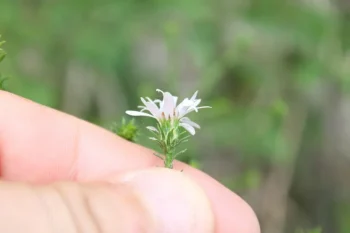
Lavender Oldfield Aster

Symphyotrichum priceae

USDA symbol: SYPR4

perennial forb

Lower 48 states: native

Meet the lavender oldfield aster (Symphyotrichum priceae), a charming native wildflower that deserves a spot in every southeastern garden! This delightful perennial might not be the showiest plant in your landscape, but what it lacks in drama, it more than makes up for in reliability and ecological value. The lavender ...

Lavender Oldfield Aster: A Hidden Gem for Your Native Garden

Meet the lavender oldfield aster (Symphyotrichum priceae), a charming native wildflower that deserves a spot in every southeastern garden! This delightful perennial might not be the showiest plant in your landscape, but what it lacks in drama, it more than makes up for in reliability and ecological value.

What Makes This Aster Special?

The lavender oldfield aster is a true southeastern native, calling Alabama, Georgia, Kentucky, and Tennessee home. As a member of the vast aster family, this perennial forb brings those classic daisy-like blooms we all love, painted in lovely shades of lavender to purple. You might also see it listed under its former names, including Aster priceae or Aster kentuckiensis, but don’t let the name changes fool you – it’s the same wonderful plant!

Where Does It Grow?

This native beauty has carved out its niche across the southeastern United States, thriving in Alabama, Georgia, Kentucky, and Tennessee. It’s perfectly adapted to the climate and growing conditions of these regions, making it an excellent choice for gardeners wanting to work with nature rather than against it.

  • Species observed
  • No observations

Why You’ll Want This in Your Garden

Here’s where the lavender oldfield aster really shines – it’s practically foolproof! As a facultative upland plant, it’s happiest in well-drained, non-wetland conditions but won’t throw a tantrum if things get a bit soggy occasionally. This flexibility makes it perfect for those tricky spots in your garden where other plants might struggle.

The real magic happens in late summer and fall when this unassuming plant bursts into bloom, creating clouds of delicate lavender flowers that pollinators absolutely adore. While we don’t have specific data on all its wildlife benefits, asters as a group are pollinator powerhouses, supporting bees, butterflies, and other beneficial insects when many other flowers have called it quits for the season.

Growing Your Lavender Oldfield Aster

Good news for busy gardeners – this native is refreshingly low-maintenance! Here’s what you need to know:

  • Hardiness: Thrives in USDA zones 6-9
  • Sun requirements: Full sun to partial shade
  • Soil: Well-draining soil, drought tolerant once established
  • Maintenance: Cut back in late winter; may self-seed for natural expansion

Perfect Garden Companions

The lavender oldfield aster fits beautifully into naturalistic plantings and wildflower gardens. It’s an excellent choice for prairie restorations or anywhere you want that effortless, grew there naturally look. Pair it with other native southeastern plants for a landscape that’s both beautiful and ecologically beneficial.

The Bottom Line

While the lavender oldfield aster might not grab headlines like some flashier natives, it’s exactly the kind of reliable, beneficial plant that forms the backbone of great native gardens. It asks for little, gives back plenty, and supports the local ecosystem in ways that non-native plants simply cannot match. For southeastern gardeners looking to create landscapes that are both beautiful and beneficial, this little aster is definitely worth considering!

Symphyotrichum priceae is also known as...

Often we refer to plants by their common names. When shopping for plants the scientific name is the best way to positively identify the plant species you desire. But some plants have more than one name! While it doesn't happen often, nurseries might display one name while you're searching for another. Symphyotrichum priceae is also known as:

Aster kentuckiensis | USDA symbol: ASKE4
Aster pilosus var. priceae | USDA symbol: ASPIP2
Aster priceae | USDA symbol: ASPR17

Why do some plants have more than one name? Over time plant species may be renamed for a few reasons:

  1. Botanists in different regions named the same plant without knowing it had already been classified.
  2. A species was reclassified after scientific advances in, for example, DNA analysis.
  3. Slight variations within a species are sometimes mistakenly identified as entirely new species.

Wetland Status

The rule of seasoned gardeners and landscapers is to choose the "right plant for the right place" — matching plants to their ideal growing conditions, so they'll thrive with less care and fewer inputs. But the simplicity of this catchphrase conceals how tricky plant selection can be if you don't have the right information. While tags on nursery plants list watering requirements, there's more to the story.

Knowing a plant's wetland status can simplify the process by revealing the interaction between plants, water, and soil. You might be surprised to learn that popular landscape plants are wetland species! And what may be a wetland plant in one area, in another it might thrive in drier conditions. The table below gives insight into the preferred growing conditions of this plant throughout its geographical distribution.

Region
Preferred Habitat

Eastern Mountains and Piedmont (AL, AR, DC, DE, GA, IL, IN, KS, KY, MD, MO, NC, NJ, NY, OH, OK, PA, SC, TN, VA, WV)

Facultative Upland
Wetland Glossary
Obligate Wetland
Facultative Wetland
Facultative
Facultative Upland
Obligate Upland
Almost always occurs in wetlands
Usually occurs in wetlands but may occur in non-wetlands
Can occur in wetlands and non-wetlands
Usually occurs in non-wetlands but may occur in wetlands
Almost never occurs in wetlands

Classification

Group: Dicot
Kingdom: Plantae - Plants
Subkingdom: Tracheobionta - Vascular plants
Superdivision: Spermatophyta - Seed plants
Division: Magnoliophyta - Flowering plants
Class: Magnoliopsida - Dicotyledons
Subclass: Asteridae
Order: Asterales
Family: Asteraceae Bercht. & J. Presl - Aster family
Genus: Symphyotrichum Nees - aster

Species: Symphyotrichum priceae (Britton) G.L. Nesom - lavender oldfield aster

Plant data source: USDA, NRCS 2025. The PLANTS Database. https://plants.usda.gov,. 2/25/2025. National Plant Data Team, Greensboro, NC USA