Layne’s Ragwort: A Rare California Native Worth Protecting in Your Garden
If you’re passionate about California native plants and conservation, Layne’s ragwort (Packera layneae) might just capture your heart—and your sense of environmental responsibility. This delicate perennial wildflower represents something special in the world of native gardening: a chance to participate directly in conservation while adding unique beauty to your landscape.
What Makes Layne’s Ragwort Special
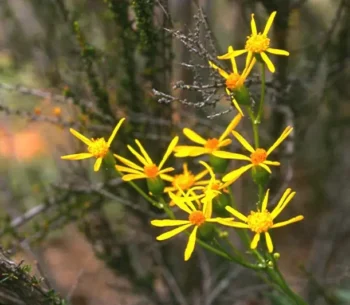
Layne’s ragwort is a charming herbaceous perennial that belongs to the sunflower family. You might also encounter it listed under its former scientific name, Senecio layneae, in older gardening references. This native California wildflower produces cheerful yellow, daisy-like blooms that brighten the landscape during spring months.
As a forb—essentially a non-woody flowering plant—Layne’s ragwort maintains a relatively low profile in the garden, making it perfect for naturalistic plantings where you want subtle beauty rather than bold statements.
A California Exclusive with Conservation Concerns
Here’s where things get serious: Layne’s ragwort is found exclusively in California and carries a conservation status that should give every gardener pause. This plant is classified as Imperiled with a Global Conservation Status of S2, and it’s listed as Threatened in the United States. With typically only 6 to 20 known occurrences and between 1,000 to 3,000 remaining individuals in the wild, this isn’t just any garden plant—it’s a conservation priority.
- Species observed
- No observations
Should You Grow Layne’s Ragwort?
The short answer: Yes, but only with responsibly sourced material.
If you’re considering adding this rare beauty to your garden, you’re taking on both an opportunity and a responsibility. Here’s why you might want to grow it:
- Support conservation efforts by maintaining genetic diversity in cultivation
- Create habitat for native California pollinators, including native bees and butterflies
- Add authentic California character to naturalistic landscapes
- Participate in preserving botanical heritage for future generations
Critical caveat: Never collect seeds or plants from wild populations. Only purchase from reputable native plant nurseries that propagate from ethically sourced stock, or participate in authorized conservation seed collection programs.
Perfect Garden Settings
Layne’s ragwort thrives in specific garden environments that mirror its natural California habitat:
- Native California gardens: Pairs beautifully with other endemic species
- Wildflower meadows: Adds spring color without overwhelming companions
- Naturalistic landscapes: Perfect for areas designed to mimic natural ecosystems
- Conservation gardens: Ideal for gardeners focused on rare plant preservation
Growing Conditions and Care
Success with Layne’s ragwort requires understanding its California foothill and montane origins. This plant has adapted to specific conditions that you’ll need to replicate:
Climate Requirements: Best suited for USDA hardiness zones 8-10, matching California’s Mediterranean climate patterns.
Soil and Water: Provide well-draining soil and embrace California’s natural wet-winter, dry-summer pattern. Once established, this drought-tolerant native requires minimal supplemental watering during summer months.
Light Requirements: Adaptable to partial shade through full sun, though some afternoon shade in hotter inland areas may be beneficial.
Planting and Establishment Tips
- Timing: Fall planting allows roots to establish during winter rains
- Spacing: Allow adequate room for natural growth patterns without overcrowding
- Mulching: Light mulch helps retain moisture during establishment
- Patience: Like many natives, it may take a season or two to fully establish
Supporting Pollinators and Wildlife
Those cheerful spring blooms aren’t just pretty—they’re pollinator magnets. Layne’s ragwort supports native California bees and attracts butterflies, making it a valuable addition to pollinator-friendly gardens. By growing this plant, you’re creating stepping stones of habitat that support broader ecosystem health.
The Conservation Garden Movement
Growing Layne’s ragwort connects you to a larger movement of conservation-minded gardeners who understand that every garden can be a sanctuary. When you choose rare natives like this one, you’re not just decorating your landscape—you’re participating in species preservation.
Remember, the key to responsible cultivation lies in sourcing. Work only with reputable native plant suppliers, participate in seed exchanges with conservation organizations, and never harvest from wild populations. Your garden can become a genetic insurance policy for this remarkable California endemic.
In a world where habitat loss threatens so many native species, your choice to grow Layne’s ragwort responsibly represents hope, conservation action, and a commitment to preserving California’s irreplaceable botanical heritage for generations to come.