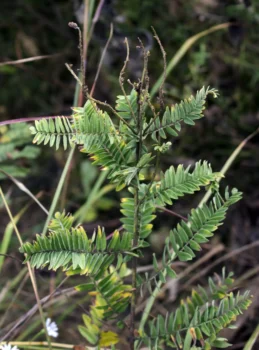
Leadplant: The Prairie Powerhouse That’s Perfect for Low-Maintenance Gardens
If you’re looking for a native plant that combines stunning beauty with practically zero fuss, meet the leadplant (Amorpha canescens). This charming prairie native might just become your new favorite garden companion, especially if you’re tired of babying high-maintenance plants that demand constant attention.
What Makes Leadplant Special?
Leadplant is a compact perennial shrub that typically reaches about 4 feet in height at maturity. Don’t let its modest size fool you – this plant packs a serious visual punch with its distinctive silvery-gray foliage and dense clusters of purple flowers that bloom in early summer. The silvery leaves create a beautiful contrast in the garden year-round, while the purple blooms add a pop of color that pollinators absolutely adore.
Native Status and Where It Grows
Leadplant is a true North American native, naturally occurring across the Great Plains and prairie regions. You’ll find this hardy shrub thriving in an impressive range of locations, from Manitoba and Ontario in Canada down through the central United States, including Arkansas, Colorado, Illinois, Indiana, Iowa, Kansas, Louisiana, Michigan, Minnesota, Missouri, Montana, Nebraska, New Mexico, North Dakota, Oklahoma, South Dakota, Texas, Wisconsin, and Wyoming.
- Species observed
- No observations
It’s worth noting that in Arkansas, leadplant has a rarity status of S1, meaning it’s quite uncommon in that state. If you’re in Arkansas or other areas where it’s less common, make sure to source your plants from reputable native plant nurseries that practice responsible propagation.
Why Your Garden (and the Environment) Will Love Leadplant
Here’s where leadplant really shines – it’s basically the perfect plant for gardeners who want maximum impact with minimal effort. This drought-tolerant champion thrives in conditions that would make other plants wilt and complain. Once established, it requires very little water and has an impressive tolerance for poor soils.
But leadplant isn’t just easy-going; it’s also an environmental superhero. As a member of the legume family, it actually fixes nitrogen in the soil, improving conditions for neighboring plants. Plus, its nectar-rich purple flowers are magnets for bees, butterflies, and other beneficial pollinators, making it a fantastic choice for supporting local wildlife.
Perfect Garden Roles
Leadplant excels in several garden situations:
- Prairie and native plant gardens
- Xeriscaping and drought-tolerant landscapes
- Erosion control on slopes
- Naturalized areas and restoration projects
- Mixed perennial borders for texture contrast
Growing Conditions That Make Leadplant Happy
The beauty of leadplant lies in its adaptability, but here are the conditions where it truly thrives:
- Sunlight: Full sun (though it can tolerate some shade)
- Soil: Adaptable to coarse and medium-textured soils; avoid heavy clay
- pH: Tolerates a wide range from 5.5 to 8.0
- Water: Low water needs once established; excellent drought tolerance
- Hardiness: USDA zones 3-8, tolerating temperatures as low as -38°F
Planting and Care Tips
Getting leadplant established is refreshingly straightforward:
Planting: You can start with container plants, bare root specimens, or even grow from seed (though seeds require cold stratification). Plant in spring after the last frost, spacing plants about 2-3 feet apart.
Watering: Water regularly the first year to help establish roots, then step back and let nature take over. This plant actually prefers drier conditions once mature.
Fertilizing: Skip the fertilizer! Leadplant has low fertility requirements and actually prefers lean soils. Over-fertilizing can lead to excessive foliage growth at the expense of flowers.
Maintenance: Minimal pruning needed. You can cut back in late winter if desired, but it’s not necessary. The plant has a moderate growth rate and will slowly fill in its space without becoming aggressive.
A Few Things to Keep in Mind
While leadplant is generally wonderful, there are a couple of considerations. It doesn’t spread vegetatively, so if you want coverage, you’ll need to plant multiple specimens. Also, while the flowers are showy, the seed pods that follow aren’t particularly ornamental, though they do provide food for wildlife.
The Bottom Line
Leadplant is an excellent choice for gardeners who want a beautiful, low-maintenance native plant that supports local ecosystems. Its combination of attractive silvery foliage, purple summer blooms, and rock-solid hardiness makes it a valuable addition to prairie gardens, native landscapes, and anywhere you want reliable color with minimal fuss. Just remember to source responsibly, especially in areas where it’s less common, and give it the sunny, well-drained conditions it loves.