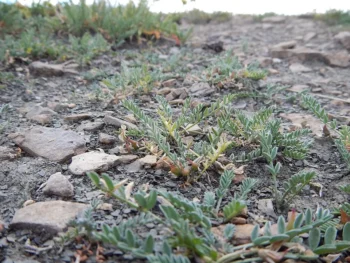
Leadville Milkvetch: A Rare Mountain Gem Worth Protecting
If you’re drawn to the rugged beauty of high-altitude wildflowers, Leadville milkvetch (Astragalus molybdenus) might just capture your heart. This charming perennial native brings a touch of alpine magic to specialized gardens, but there’s an important conservation story that comes with it.
What Makes Leadville Milkvetch Special?
Leadville milkvetch is a native perennial that calls the high elevations of the American West home. True to its name, this hardy little plant thrives in some pretty tough conditions – the kind of places where the air is thin and the growing season is short. It’s a member of the legume family, which means it has the neat trick of fixing nitrogen in the soil through its roots.
The plant produces delicate purple to pink pea-like flowers that seem to glow against its silvery-green foliage. It’s the kind of understated beauty that makes you stop and really look – not flashy, but undeniably charming in that quiet mountain way.
Where Does It Grow Naturally?
This mountain specialist is native to Colorado, Montana, and Wyoming, where it makes its home in high-elevation habitats. You’ll find it growing naturally in alpine and subalpine zones, often in rocky, well-draining soils that would challenge many other plants.
- Species observed
- No observations
A Word of Caution: Rarity Matters
Here’s where things get serious for a moment. Leadville milkvetch has a Global Conservation Status of S3, which means it’s considered vulnerable. This isn’t a plant you’ll find at your local garden center, and that’s actually a good thing for conservation purposes.
If you’re interested in growing this rare beauty, it’s crucial to source seeds or plants only from reputable native plant suppliers who practice ethical collection methods. Never collect from wild populations – these plants need every individual they can get to maintain healthy populations in their native habitats.
Growing Leadville Milkvetch: Not for the Faint of Heart
Let’s be honest – this isn’t your typical garden plant. Leadville milkvetch is adapted to very specific high-elevation conditions that are tricky to replicate at lower elevations. But if you’re up for the challenge and live in USDA hardiness zones 3-6, here’s what you need to know:
Ideal Growing Conditions
- Sunlight: Full sun – this mountain native wants all the light it can get
- Soil: Excellent drainage is absolutely critical; rocky, gravelly soils work best
- Water: Drought tolerant once established; actually prefers drier conditions
- Elevation: Performs best at higher elevations where it can experience the temperature fluctuations it’s evolved with
Garden Design Ideas
If you do decide to try growing Leadville milkvetch, it’s perfect for:
- Rock gardens that mimic alpine conditions
- Native plant gardens focused on high-elevation species
- Xeriscaping projects in appropriate climate zones
- Conservation gardens dedicated to rare native plants
Benefits to Wildlife
Like other members of the legume family, Leadville milkvetch attracts native bees and other pollinators. Its flowers provide nectar for high-elevation pollinators that have co-evolved with alpine plants. As a nitrogen-fixing plant, it also helps improve soil conditions for neighboring plants.
Planting and Care Tips
Growing Leadville milkvetch successfully requires mimicking its natural habitat as closely as possible:
- Plant in spring after the last frost
- Ensure perfect drainage – consider raised beds or containers if your soil retains moisture
- Mulch with gravel rather than organic materials
- Water sparingly; overwatering is more dangerous than drought
- Avoid fertilizing – these plants are adapted to nutrient-poor soils
The Bottom Line
Leadville milkvetch is a fascinating native plant that offers a unique glimpse into high-altitude ecosystems. While it’s challenging to grow and requires responsible sourcing due to its vulnerable status, it can be a rewarding addition for dedicated native plant gardeners in appropriate climates.
If you’re not in the right zone or don’t feel confident about providing the specialized care this rare plant needs, consider supporting its conservation in other ways – like donating to organizations working to protect high-elevation habitats or visiting these plants in their natural settings through responsible eco-tourism.
Remember, every rare native plant we can successfully grow and protect in cultivation is a small victory for biodiversity. Just make sure you’re doing it responsibly, with properly sourced plants, and the right growing conditions to give this mountain beauty the best chance of thriving.