Leafstem Tickseed: A Bright California Native Worth Growing
If you’re looking to add a splash of sunshine to your California native garden, leafstem tickseed (Coreopsis calliopsidea) might just be the cheerful annual you’ve been searching for. This delightful member of the sunflower family brings golden blooms and easy-care charm to gardens throughout the Golden State.
What Makes Leafstem Tickseed Special?
Leafstem tickseed is a true California native, found naturally throughout the state’s diverse landscapes. As an annual forb, this herbaceous plant completes its entire life cycle in one growing season, making it perfect for gardeners who enjoy the excitement of replanting and redesigning their spaces each year.
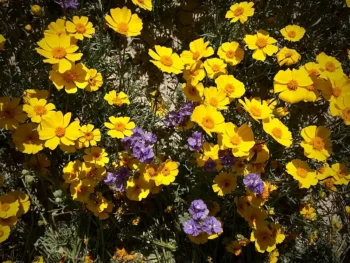
The plant produces bright yellow, daisy-like flowers that seem to capture and reflect California’s abundant sunshine. These cheerful blooms appear on slender stems, creating a delicate, airy appearance that adds movement and lightness to garden beds.
Where Does It Grow Naturally?
This tickseed species is endemic to California, meaning you won’t find it growing wild anywhere else in the world. It has adapted perfectly to the state’s Mediterranean climate and diverse growing conditions, from coastal areas to inland valleys.
- Species observed
- No observations
A Note About Conservation
Before we dive into growing tips, it’s important to know that leafstem tickseed has a somewhat uncertain conservation status. While not critically endangered, its populations may be limited in some areas. If you decide to grow this beauty, make sure you source seeds or plants from reputable native plant nurseries that practice ethical collection methods. This helps protect wild populations while still allowing you to enjoy this lovely native in your garden.
Perfect Spots in Your Garden
Leafstem tickseed shines brightest in:
- Wildflower meadows and naturalized areas
- Native plant gardens
- Drought-tolerant landscape designs
- Annual flower borders
- Pollinator-friendly garden spaces
Its relatively compact size and non-aggressive nature make it an excellent choice for mixing with other California natives or using as a colorful groundcover in sunny spots.
Growing Conditions That Make It Happy
Like many California natives, leafstem tickseed appreciates conditions that mimic its natural habitat:
- Sunlight: Full sun is best for maximum flowering
- Soil: Well-draining soil is essential; it doesn’t tolerate soggy conditions
- Water: Drought-tolerant once established, but benefits from occasional deep watering during dry spells
- Climate: Thrives in USDA zones 8-10, perfect for California’s Mediterranean climate
Planting and Care Tips
Growing leafstem tickseed successfully is refreshingly straightforward:
Timing: Direct seed in fall or early spring when temperatures are mild. Fall seeding often works best as it allows natural winter stratification.
Planting: Scatter seeds over prepared soil and lightly rake in. Don’t bury them too deeply – these seeds need light to germinate properly.
Watering: Keep soil consistently moist until germination occurs. Once plants are established (usually after 4-6 weeks), reduce watering frequency but water more deeply when you do.
Maintenance: This low-maintenance native requires minimal care once established. Deadheading spent flowers can encourage continued blooming, though leaving some seed heads will provide food for birds and ensure natural reseeding.
Benefits for Wildlife and Pollinators
Don’t let its delicate appearance fool you – leafstem tickseed is a powerhouse when it comes to supporting local ecosystems. The bright yellow flowers attract a variety of beneficial insects, including native bees, butterflies, and other pollinators. Later in the season, birds appreciate the nutritious seeds, making this plant a year-round contributor to your garden’s wildlife habitat.
Why Choose Leafstem Tickseed?
If you’re passionate about native gardening, supporting local ecosystems, or simply love the idea of growing something that’s perfectly adapted to California’s unique climate, leafstem tickseed deserves a spot in your garden. Its bright blooms, easy care requirements, and ecological benefits make it a triple threat in the best possible way.
Just remember to source your seeds responsibly, and you’ll be rewarded with a gorgeous display of golden flowers that celebrates California’s incredible native plant heritage. Plus, there’s something deeply satisfying about growing a plant that’s been calling California home long before any of us arrived on the scene!