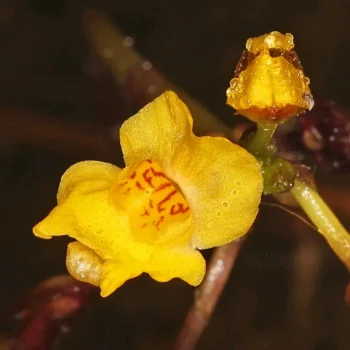
Leafy Bladderwort: The Tiny Carnivorous Wonder for Your Water Garden
Meet the leafy bladderwort (Utricularia foliosa), one of nature’s most fascinating tiny predators! This native aquatic plant might be small, but it packs a big punch when it comes to unique garden appeal. If you’re looking to add something truly special to your water feature, this carnivorous beauty might just be your new favorite plant.
What Makes Leafy Bladderwort Special?
Don’t let the name fool you – leafy bladderwort is actually a charming little carnivorous plant that spends its life floating in shallow waters. This perennial forb produces delicate yellow flowers that dance above the water surface, while its finely divided underwater foliage creates an intricate underwater landscape. But here’s where it gets really cool: those innocent-looking leaves are actually equipped with tiny traps that catch microscopic water creatures!
Native Heritage and Where It Grows
Leafy bladderwort is proudly native to the southeastern United States, calling the following states home:
- Alabama
- Florida
- Georgia
- Louisiana
- Mississippi
- North Carolina
- Texas
This native status makes it an excellent choice for gardeners who want to support local ecosystems while adding something truly unique to their landscape.
- Species observed
- No observations
Perfect for Water-Loving Gardens
As an obligate wetland plant, leafy bladderwort absolutely must have standing water to thrive. This makes it perfect for:
- Water gardens and ornamental ponds
- Bog gardens
- Carnivorous plant collections
- Natural wetland restoration projects
- Educational gardens focused on native aquatic plants
If you don’t have a water feature, this probably isn’t the plant for you – but if you do, it’s a fantastic conversation starter!
Growing Conditions and Care
Successfully growing leafy bladderwort requires understanding its unique needs:
Water Requirements: This plant needs permanent standing water that’s relatively shallow (6-18 inches deep works well). The water should be nutrient-poor and slightly acidic – think more like a natural pond than a fertilized garden bed.
Light Needs: Full sun to partial shade works best, with at least 4-6 hours of direct sunlight daily.
Climate Preferences: Hardy in USDA zones 8-10, which aligns perfectly with its native southeastern range.
Soil/Substrate: Since it’s floating, traditional soil isn’t needed, but it appreciates a muddy or sandy bottom in its water feature.
Planting and Care Tips
Here’s how to give your leafy bladderwort the best start:
- Introduce it to established water features rather than brand-new ones
- Avoid fertilizing the water – remember, this is a carnivorous plant that gets nutrients from tiny prey
- Keep water levels consistent; dramatic changes can stress the plant
- In colder areas, provide protection or consider it as an annual
- Let it naturalize – it knows how to take care of itself once established
Wildlife and Pollinator Benefits
While small, the yellow flowers of leafy bladderwort can attract tiny flying insects, contributing to your garden’s biodiversity. As a native plant, it also provides habitat for small aquatic organisms and fits naturally into local ecosystem food webs.
Is Leafy Bladderwort Right for Your Garden?
This unique plant is perfect if you:
- Have a water garden or pond
- Love unusual, carnivorous plants
- Want to support native biodiversity
- Enjoy low-maintenance aquatic plants
- Live in zones 8-10
However, it might not be the best choice if you don’t have a suitable water feature or live outside its natural hardiness range.
Leafy bladderwort proves that native plants can be both ecologically beneficial and utterly fascinating. This tiny carnivorous wonder brings a touch of the wild to any water garden while supporting local wildlife. Just remember – it’s all about the water!