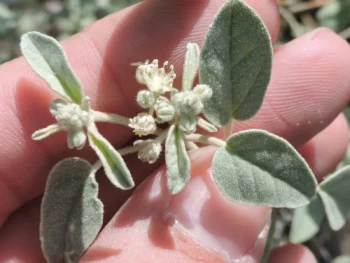
Leatherweed: A Critically Rare Texas Native Worth Protecting
If you’ve stumbled across the name leatherweed in your native plant research, you’ve discovered one of Texas’s most elusive botanical treasures. Croton pottsii var. thermophilus is so rare that most gardeners will never encounter it in the wild, let alone in cultivation. But understanding this remarkable plant helps us appreciate the incredible diversity hidden within our native ecosystems.
What Makes Leatherweed Special?
Leatherweed is a perennial forb herb, meaning it’s a non-woody plant that comes back year after year. Unlike trees or shrubs, this humble plant lacks significant woody tissue and keeps its growing buds at or near ground level – a smart survival strategy that helps it weather tough conditions.
What sets this particular variety apart is right there in its scientific name: thermophilus literally means heat-loving. This gives us a major clue about where and how this plant has adapted to survive.
Where Does Leatherweed Call Home?
Leatherweed is exclusively found in Texas, making it a true Lone Star State endemic. While its parent species, Croton pottsii, has a broader range, this specific heat-loving variety has carved out its own tiny niche in the vast Texas landscape.
- Species observed
- No observations
A Conservation Reality Check
Here’s where things get serious: leatherweed carries a Global Conservation Status of S5T1, which indicates this variety is critically imperiled. In plain English, this means the plant is extremely rare and faces a very high risk of extinction.
What this means for gardeners: This isn’t a plant you should be trying to grow in your backyard. In fact, attempting to collect it from the wild could contribute to its decline. If you’re passionate about supporting rare Texas natives, there are much better ways to help.
Better Ways to Support Native Plant Conservation
Instead of seeking out critically rare species like leatherweed, consider these more responsible alternatives:
- Plant common native Texas species that provide similar ecological benefits
- Support organizations working on rare plant conservation
- Volunteer for habitat restoration projects
- Choose other Croton species that are more widely available and less threatened
The Bigger Picture
Leatherweed serves as a reminder that our native plant communities contain incredible specialists – plants that have evolved to thrive in very specific conditions. These botanical rarities often indicate unique habitats that deserve our protection.
While we may never grow leatherweed in our gardens, we can honor what it represents by becoming better stewards of the native plants that are appropriate for cultivation. Every common native species we plant instead of non-native alternatives helps support the web of life that rare species like leatherweed depend on.
What You Can Do
If you’re inspired by learning about rare plants like leatherweed, channel that enthusiasm into supporting conservation efforts and choosing more common native alternatives for your garden. Texas has hundreds of beautiful native species that would love to call your landscape home – and they won’t put any rare plants at risk.
Remember: the best way to love rare native plants is often to admire them from afar and work to protect the habitats they call home.