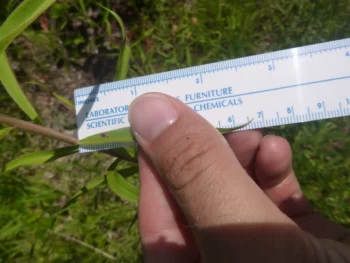
Leavenworth’s Goldenrod: A Southeastern Native Worth Growing
If you’re looking to add some late-season sunshine to your garden while supporting native wildlife, Leavenworth’s goldenrod (Solidago leavenworthii) might just be the perfect addition to your landscape. This charming southeastern native brings both beauty and ecological value to gardens across its native range.
What is Leavenworth’s Goldenrod?
Leavenworth’s goldenrod is a perennial herbaceous plant that belongs to the goldenrod family. As a forb, it lacks woody stems but returns year after year from its root system. You might also see it listed under its synonym, Solidago nashii Small, in older references.
This native wildflower produces the classic goldenrod display of bright yellow flower clusters that light up the landscape in late summer and fall, providing a cheerful contrast to the changing autumn foliage.
Where Does It Grow Naturally?
Leavenworth’s goldenrod is native to the southeastern United States, where it naturally occurs in Florida, Georgia, North Carolina, and South Carolina. This makes it perfectly adapted to the growing conditions of the southeastern coastal regions and piedmont areas.
- Species observed
- No observations
Why Consider Growing Leavenworth’s Goldenrod?
There are several compelling reasons to include this native plant in your garden:
- Pollinator magnet: The bright yellow flowers are rich in nectar and attract bees, butterflies, and other beneficial insects during the crucial late-season blooming period
- Native plant benefits: As a true native, it supports local ecosystems and wildlife better than non-native alternatives
- Low maintenance: Once established, this perennial requires minimal care and is well-adapted to local conditions
- Seasonal interest: Provides beautiful late-summer and fall color when many other flowers are fading
Important Conservation Note
Before you rush out to plant Leavenworth’s goldenrod, there’s something important to know. This species has a conservation status that suggests it may be somewhat uncommon in parts of its range. If you decide to grow it, please make sure to source your plants or seeds from reputable native plant nurseries that practice responsible collection methods. Avoid collecting from wild populations.
Growing Conditions and Care
Leavenworth’s goldenrod is generally hardy in USDA zones 8-10, which aligns perfectly with its native southeastern range. Here’s what this adaptable native prefers:
- Sunlight: Full sun to partial shade
- Soil: Adaptable to various soil types
- Moisture: Facultative wetland status means it can handle both wet and dry conditions
- Maintenance: Low maintenance once established
Perfect Garden Settings
This goldenrod shines in several garden styles:
- Native plant gardens: A natural choice for authentic southeastern landscapes
- Pollinator gardens: Essential late-season nectar source
- Wildflower meadows: Adds natural beauty to naturalized areas
- Rain gardens: Its facultative wetland status makes it suitable for areas with variable moisture
Planting and Care Tips
Getting Leavenworth’s goldenrod established in your garden is relatively straightforward:
- Plant in spring or fall for best establishment
- Space plants appropriately as they may spread naturally over time
- Water regularly during the first growing season to help establish roots
- Once established, this native is quite drought-tolerant
- Minimal fertilization needed – native plants prefer lean soils
- Deadhead spent flowers if you want to prevent self-seeding, or leave them for wildlife
The Bottom Line
Leavenworth’s goldenrod is a wonderful choice for gardeners in the southeastern United States who want to support native wildlife while adding beautiful late-season color to their landscapes. Its ability to thrive in various moisture conditions makes it particularly versatile. Just remember to source it responsibly and give it the space it needs to flourish. Your local pollinators will thank you for the late-season feast!