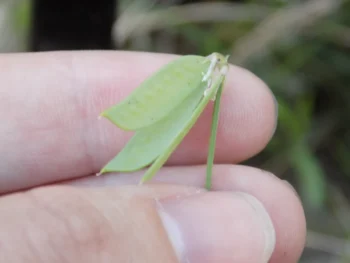
Leavenworth’s Vetch: A Rare Native Gem for Your Wildflower Garden
If you’re looking to add a touch of wild beauty to your garden while supporting local wildlife, Leavenworth’s vetch (Vicia ludoviciana leavenworthii) might just be the perfect addition. This charming native annual brings delicate purple blooms and ecological benefits to gardens across the South-Central United States.
What Is Leavenworth’s Vetch?
Leavenworth’s vetch is a native forb that belongs to the pea family, which means it produces those characteristic sweet pea-like flowers that pollinators absolutely adore. As an annual herb, this plant completes its entire life cycle in one growing season, making it a dynamic addition to ever-changing garden spaces.
You might also see this plant referred to by its scientific synonyms, including Vicia leavenworthii, but don’t let the botanical names intimidate you – this is simply a lovely native wildflower with a lot to offer.
Where Does It Call Home?
This vetch is a true southern native, naturally occurring across eight states: Arkansas, Georgia, Kansas, Louisiana, Mississippi, Missouri, Oklahoma, and Texas. It’s perfectly adapted to the climate and growing conditions of the South-Central region.
- Species observed
- No observations
A Word About Rarity
Here’s something important to know: Leavenworth’s vetch is considered rare to uncommon in Arkansas, with a rarity status of S1S2. This means if you’re planning to grow this beauty, please make sure you source your seeds or plants from reputable native plant nurseries that practice responsible collection methods. We want to enjoy this plant in our gardens without putting wild populations at risk!
Why Your Garden (and Local Wildlife) Will Love It
There are several compelling reasons to consider adding Leavenworth’s vetch to your landscape:
- Wildlife magnet: Large animals rely on this plant for 5-10% of their diet, making it an important food source in the ecosystem
- Pollinator paradise: The small purple to pink flowers attract bees and other beneficial insects
- Soil improvement: Like other legumes, it fixes nitrogen in the soil, naturally enriching your garden
- Low maintenance: As a native annual, it’s adapted to local conditions and typically requires minimal care
- Natural beauty: Delicate compound leaves and charming pea-like blooms add texture and color
Perfect Garden Companions and Settings
Leavenworth’s vetch shines in:
- Native wildflower gardens
- Prairie restoration projects
- Wildlife habitat gardens
- Natural or informal landscape designs
- Areas where you want to attract beneficial insects
Growing Leavenworth’s Vetch Successfully
While specific growing requirements for this species aren’t extensively documented, we can draw from what we know about similar native vetches and its natural habitat:
Climate Considerations: This plant thrives in USDA hardiness zones 6-9, which aligns perfectly with its native range across the South-Central states.
Site Selection: Choose a location with well-draining soil and full sun to partial shade. Native plants are typically adaptable, but good drainage is usually key to success.
Planting Tips: As an annual, Leavenworth’s vetch will need to be replanted each year unless it self-seeds successfully in your garden. Sow seeds in spring after the last frost date for your area.
The Bottom Line
Leavenworth’s vetch offers gardeners a wonderful opportunity to grow a truly native plant that supports local ecosystems while adding natural beauty to the landscape. Its rarity makes it even more special – you’ll be growing something that many gardeners have never even heard of!
Just remember to source your plants or seeds responsibly, and you’ll be rewarded with a charming annual that connects your garden to the wild heritage of the South-Central United States. Your local wildlife will thank you, and you’ll have the satisfaction of knowing you’re helping to preserve and celebrate our native plant heritage.