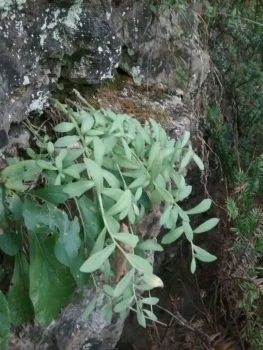
Leedy’s Stonecrop: A Rare Native Treasure That Needs Our Protection
If you’ve stumbled across the name Leedy’s stonecrop (Rhodiola integrifolia leedyi) in your plant research, you’ve discovered one of North America’s botanical rarities. This isn’t your typical let’s add it to the garden cart kind of plant – it’s a conservation story that every native plant enthusiast should know about.
What Makes Leedy’s Stonecrop Special?
Leedy’s stonecrop is a perennial forb, which simply means it’s a soft-stemmed plant that comes back year after year without developing woody tissue like trees and shrubs. As a member of the Rhodiola family, it’s related to some fascinating succulent-like plants, though this particular variety has its own unique characteristics.
This plant carries quite a few scientific aliases from its taxonomic journey, including several Sedum classifications, but today we know it as Rhodiola integrifolia leedyi – a name that honors both its botanical relationships and its discoverers.
Where Does It Call Home?
Here’s where things get really interesting (and concerning). Leedy’s stonecrop is native to the lower 48 states, but its current range is incredibly limited. You’ll only find this rare beauty in two states: Minnesota and New York. That tiny geographic footprint is already telling us this plant needs our attention.
- Species observed
- No observations
The Conservation Reality Check
Let’s talk about the elephant in the room – or rather, the absence of elephants in the room. Leedy’s stonecrop carries a Threatened status in the United States, which means this plant is walking a tightrope toward potential extinction. With a global conservation ranking that reflects its precarious position, this isn’t a plant you’ll find at your local nursery.
Important: If you’re excited about growing native plants and supporting biodiversity, that enthusiasm is wonderful! However, Leedy’s stonecrop requires a completely different approach than typical native gardening.
Should You Grow Leedy’s Stonecrop?
Here’s the honest answer: probably not, unless you’re involved in legitimate conservation efforts. This plant’s threatened status means that:
- Wild populations need protection, not harvesting
- Seeds and plants should only come from verified conservation programs
- Growing it requires specialized knowledge about its specific needs
- Your garden energy might be better invested in other native species
What We Don’t Know (And Why That Matters)
One of the challenges with rare plants like Leedy’s stonecrop is that much of their biology remains a mystery. We don’t have detailed information about their preferred growing conditions, pollinator relationships, or specific care requirements. This knowledge gap exists precisely because the plants are so uncommon that researchers have limited opportunities to study them.
Better Alternatives for Your Native Garden
Instead of seeking out this rare treasure, consider supporting conservation by growing other native Rhodiola or Sedum species that are more readily available and better understood. These alternatives can provide similar ecological benefits without putting pressure on threatened populations.
How You Can Help
Want to support Leedy’s stonecrop and plants like it? Here are meaningful ways to contribute:
- Support organizations working on native plant conservation
- Choose abundant native species for your garden projects
- Learn about and protect natural habitats in your area
- Spread awareness about the importance of plant conservation
The Bigger Picture
Leedy’s stonecrop represents something bigger than just one rare plant – it’s a reminder that North America’s native flora includes species hanging on by threads in tiny pockets of remaining habitat. Every threatened plant species tells a story about habitat loss, climate change, and the importance of conservation.
While you might not have Leedy’s stonecrop gracing your garden beds, knowing about it makes you part of a community that values and protects our botanical heritage. And that’s pretty special in itself.
Sometimes the best way to love a plant is to let it be wild and work to ensure it stays that way for future generations to discover and protect.